
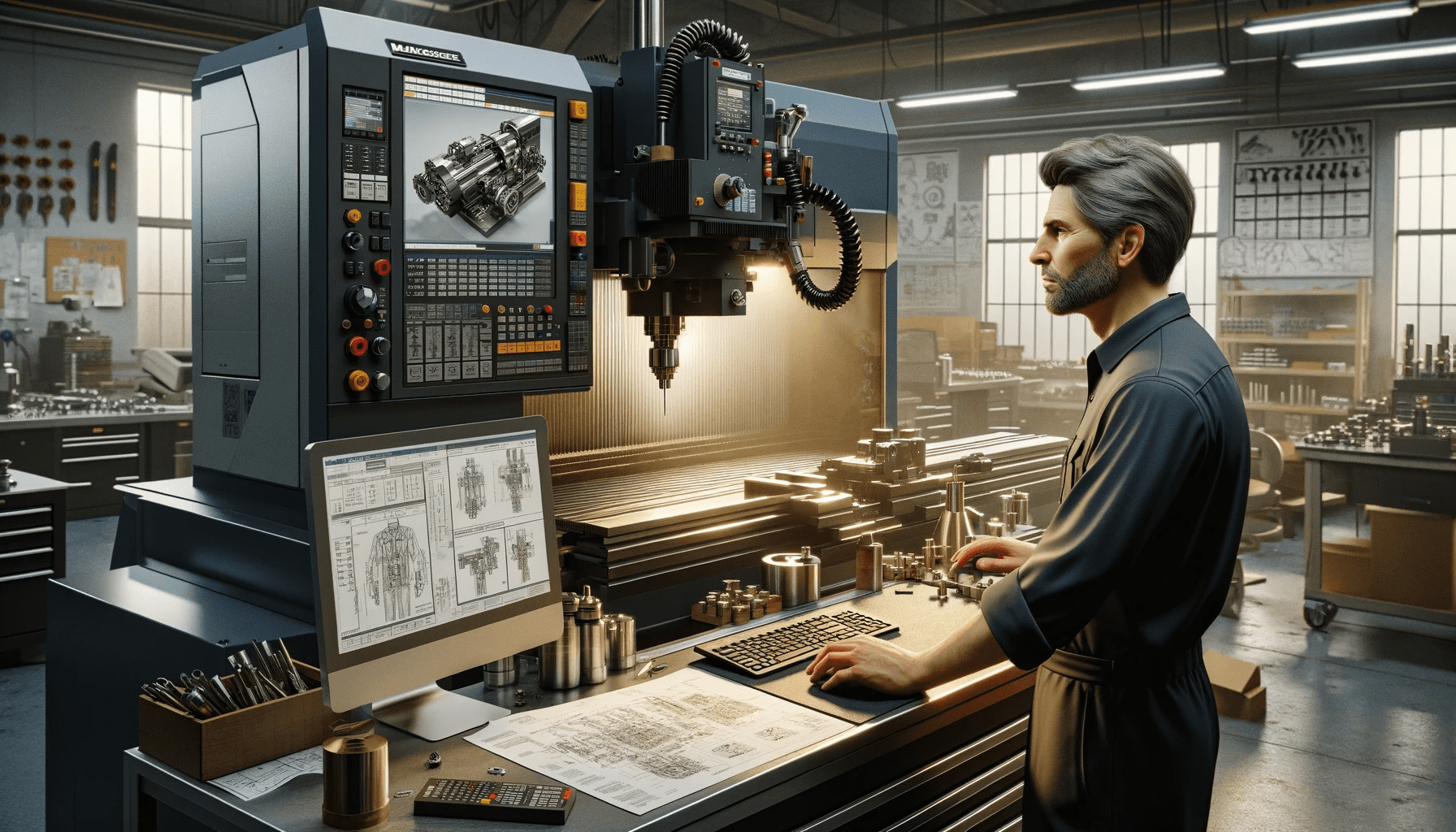
Global supply chains in 2026 face unprecedented pressure from geopolitical fragmentation, shipping route instability, and resource concentration. These factors significantly impact CNC machining operations, demanding robust strategies for material procurement and logistics. Businesses must adapt to slower trade growth and increased policy uncertainty.
Managing these complexities requires a proactive approach to mitigate risks and ensure operational continuity. Companies are actively reconfiguring their supply chains around resilience and regional priorities.
Raw Material Lead Time Management
Raw material lead times remain a critical variable in CNC machining, directly influencing production schedules and project delivery. Simple prototypes using standard materials like 6061 aluminum can have lead times as short as 1-3 days, while complex, high-volume orders with specialty alloys may extend to 6-8 weeks.
Material availability is a primary driver of these timelines; common alloys like 6061 aluminum are often stocked, but exotic materials such as Inconel or specific titanium grades can require 1-2 weeks for sourcing. Geopolitical tensions and export restrictions on critical raw materials, including minerals for electronics, further complicate procurement.
Effective lead time management involves early planning, precise material specifications, and strategic partnerships with suppliers. Specifying in-stock materials can eliminate significant delays, potentially saving over nine days on an average order. Clear communication of tolerance requirements on drawings also prevents misunderstandings and costly rework.
Design for Manufacturability (DFM) decisions made before machining begins have the greatest impact on lead time, often more than the actual cutting time. Engineers should prioritize functional features for tight tolerances, allowing more relaxed specifications for non-critical dimensions to optimize cost and speed.
Tooling Inventory Buffers
| Material | Standard Machining Tolerance (mm) | Precision Machining Tolerance (mm) | Typical Cutting Speed (m/min) |
|---|---|---|---|
| Aluminum 6061 | ±0.05 (milling), ±0.02-0.03 (turning) | ±0.01 (milling), ±0.005-0.01 (turning) | 300–500 |
| 304 Stainless Steel | ±0.05 | ±0.01 | 70–120 |
Maintaining adequate tooling inventory buffers is essential for uninterrupted CNC machining operations. Unexpected tool breakage or premature wear can halt production, leading to significant downtime and missed deadlines. Strategic stocking of critical cutting tools, inserts, and workholding components minimizes these risks.
Calculating optimal safety stock for tooling involves analyzing historical consumption rates, supplier lead times, and the cost of stockouts versus carrying costs. Implementing tool life management systems, often integrated with CNC controllers, provides real-time data on tool wear, enabling predictive replacement and reducing unplanned stoppages.
Shops should categorize tooling based on criticality and lead time. High-use, long-lead-time items require larger buffer stocks, while readily available, low-cost tools can be managed with smaller reserves. This tiered approach optimizes capital expenditure while safeguarding against common disruptions.
Reshoring Machine Shops
Reshoring manufacturing operations, particularly CNC machine shops, has gained traction as companies seek to enhance supply chain resilience and reduce geopolitical exposure. This strategic shift aims to bring production closer to end markets, shortening lead times and improving quality control.
Benefits of reshoring include reduced transportation costs, improved intellectual property protection, and greater agility in responding to market demands. Direct oversight of manufacturing processes allows for tighter quality control and faster iteration cycles. This also fosters stronger collaboration between design and production teams.
However, reshoring presents challenges such as higher labor costs and the need for significant capital investment in new facilities and equipment. Access to a skilled workforce is also a critical consideration, requiring investment in training and talent development programs. Government incentives and tax breaks can help offset some of these initial costs.
Dual-Sourcing Strategy
Implementing a dual-sourcing strategy for critical components and raw materials significantly enhances supply chain robustness. This approach involves qualifying and utilizing two independent suppliers for the same item, mitigating risks associated with single-supplier dependencies.
Advantages include increased supply security, competitive pricing through supplier rivalry, and access to diverse technical expertise. If one supplier experiences disruption due to geopolitical events, natural disasters, or production issues, the second source can maintain continuity.
Successfully deploying dual sourcing requires careful supplier qualification, ensuring both vendors meet stringent quality and performance standards. Companies must also manage volume allocation strategically, providing sufficient business to both suppliers to maintain their commitment and capabilities. This prevents either supplier from becoming a ‘backup’ that lacks incentive.
Freight Logistics Optimization
Optimizing freight logistics is paramount for navigating the complexities of global supply chains in CNC machining. Global shipping routes are increasingly fragile, with disruptions in key waterways like the Red Sea and Panama Canal impacting transit times and freight rates.
Companies must build tariff and route scenarios into their procurement planning, as changes in trade policy and shipping lanes can affect landed costs rapidly. Air freight offers faster transit for urgent or high-value components, typically 3-5 days from Asia, compared to 25-35 days for sea freight.
Strategies for optimization include leveraging freight forwarders with extensive global networks, consolidating shipments to maximize container utilization, and utilizing advanced logistics software for real-time tracking and predictive analytics. Diversifying transportation modes and routes reduces reliance on single chokepoints.