
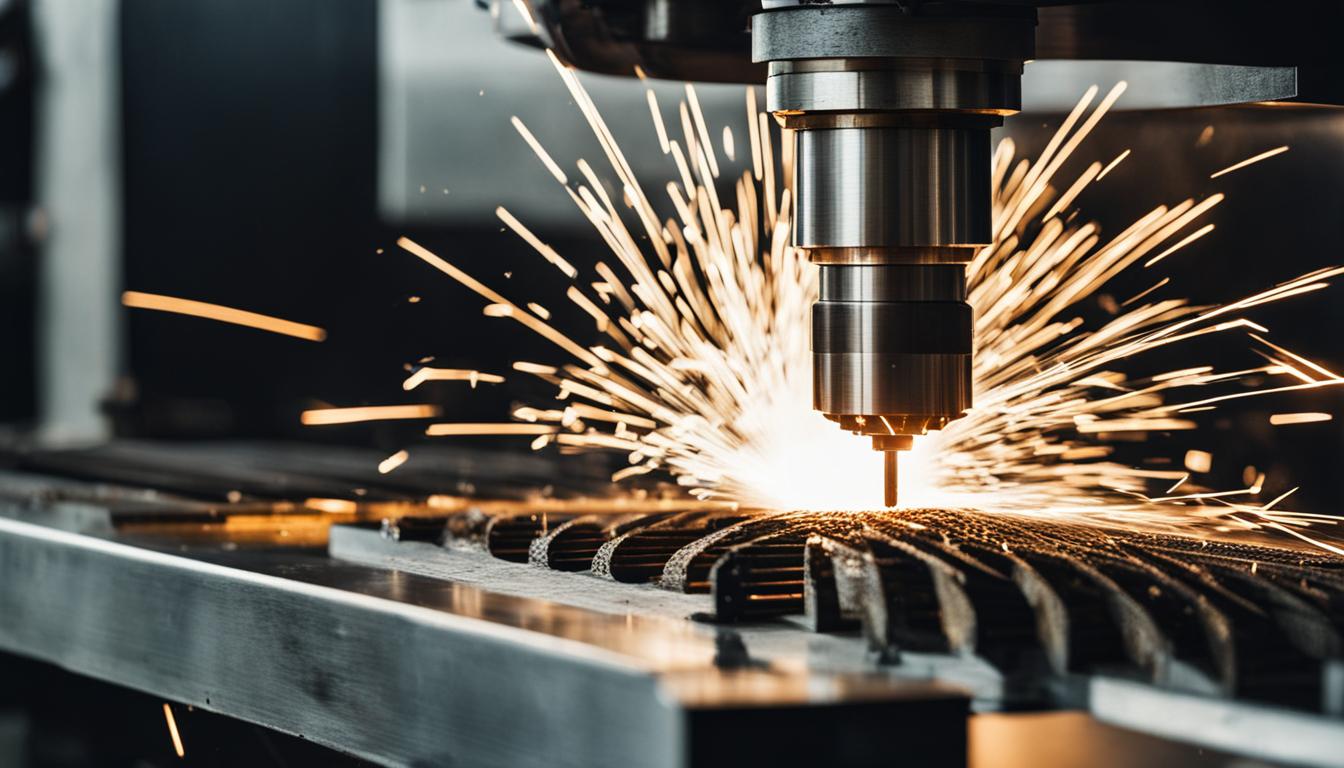
Computer Numerical Control (CNC) technology has fundamentally reshaped modern manufacturing, enabling unprecedented levels of precision, efficiency, and automation. These sophisticated machines execute programmed instructions to control tool movements, spindle speeds, and feed rates, producing intricate parts with remarkable consistency. CNC systems are now indispensable across diverse industries, from aerospace to medical device manufacturing.
The core principle of CNC involves a computer interpreting digital design data and translating it into precise commands for machine tools. This automation significantly reduces human error and allows for continuous operation, leading to increased productivity and faster turnaround times.
The Foundational Role of Computer Numerical Control
CNC machines are the cornerstone of contemporary industrial production, automating tasks that were once labor-intensive and prone to manual inconsistencies. They encompass a wide array of equipment, including milling machines, lathes, drills, grinders, laser cutters, and electrical discharge machining (EDM) systems.
These machines operate by following G-code and M-code instructions, which dictate specific movements, functions, and parameters. This digital control ensures that each part is manufactured to exact specifications, making CNC technology vital for creating complex components in various sectors.
The versatility of CNC extends to multi-axis machining, with machines ranging from 2-axis lathes to advanced 5-axis milling centers. This capability allows for the creation of highly complex geometries and intricate designs that would be impossible or impractical with traditional manual methods.
Automated Subtractive Production Principles
| Material | Cutting Speed (SFM) | Chip Load (in/tooth) | Approx. RPM | Approx. Feed Rate (IPM) |
|---|---|---|---|---|
| Aluminum 6061-T6 | 800-1500 | 0.002-0.015 | 8,000-12,000 | 40-240 |
| Steel 1018 | 300-400 | 0.002-0.005 | 2,300-3,000 | 20-60 |
| Stainless Steel 304 | 100-150 | 0.001-0.004 | 800-1,200 | 5-20 |
Subtractive manufacturing is a core process where material is systematically removed from a solid workpiece to achieve a desired shape. CNC machining is a primary method within this category, utilizing automated cutting tools to precisely sculpt parts from raw blocks, sheets, or rods.
Unlike additive manufacturing, which builds parts layer by layer, subtractive processes begin with a larger piece of material and remove excess through operations like milling, turning, drilling, and grinding. This approach is highly valued for its ability to produce parts with superior surface finishes and tight tolerances.
Common materials processed via CNC subtractive methods include various metals, plastics, and composites. The choice of material dictates specific cutting parameters, tool selection, and machining strategies to ensure optimal material removal and part integrity.
Seamless CAD-To-CAM Digital Workflow
The digital thread connecting Computer-Aided Design (CAD) to Computer-Aided Manufacturing (CAM) is fundamental to modern CNC production. This integrated workflow begins with a 3D model created in CAD software, defining the part’s geometry and specifications.
CAM software then translates this CAD model into machine-readable instructions, generating toolpaths, feed rates, spindle speeds, and other critical machining parameters. This conversion process, often resulting in G-code, ensures that the physical manufacturing accurately reflects the digital design.
A robust CAD-to-CAM digital thread minimizes data translation errors, accelerates time to production, and improves overall manufacturing consistency. It allows for rapid iteration and efficient response to engineering changes, maintaining a single source of truth across design and production teams.
Achieving High-Precision Part Scaling
Producing high-precision parts at scale presents significant engineering challenges, demanding exceptional accuracy and repeatability from CNC systems. Accuracy refers to how closely a machine can position a tool to the intended coordinate, while repeatability measures its ability to consistently return to the same position over multiple attempts.
Standard CNC machining tolerances typically range from ±0.005 inches (±0.127 mm) for most metals, achievable with conventional tooling. However, precision machining can achieve tolerances of ±0.001 inches (±0.025 mm) or better, with specialized techniques like grinding and wire EDM reaching ±0.0001 inches (±0.0025 mm) for critical applications.
Factors influencing precision include tool wear, thermal expansion, material consistency, and machine rigidity. Advanced strategies like multi-step roughing and finishing, in-machine probing, and thermal compensation algorithms are employed to maintain micron-level tolerances, especially in high-volume production.
Here are typical feeds and speeds for common materials using a 0.5” carbide end mill:
Note that these values are starting points and require adjustment based on specific tool geometry, machine rigidity, and desired surface finish. Monitoring chip formation and sound during machining is crucial for optimization.
Integrating CNC Into Modern Shop Floors
Modern shop floor integration leverages Industry 4.0 principles to connect CNC machines into a unified digital ecosystem. This involves deploying IoT sensors, Manufacturing Execution Systems (MES), and Enterprise Resource Planning (ERP) integration to enable real-time data analytics.
Connected CNC machines continuously report operational status, cycle counts, alarms, and performance data. This continuous data stream facilitates Overall Equipment Effectiveness (OEE) measurement, predictive maintenance, and closed-loop decision-making across the entire factory.
Implementing a smart factory environment with integrated CNC systems enhances traceability, improves quality control, and allows for dynamic adjustment of production schedules. This level of transparency and automation is critical for meeting the stringent demands of industries like automotive, aerospace, and medical technology.