
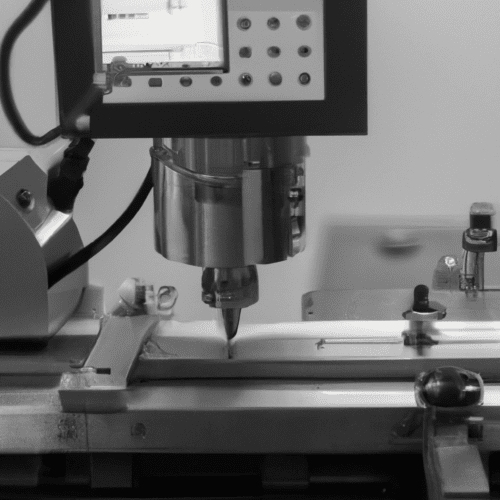
Computer Numerical Control (CNC) programming presents a compelling career trajectory for individuals seeking a blend of technical expertise and practical application in modern manufacturing. This specialized field demands precision, problem-solving, and a deep understanding of machining processes, offering substantial professional growth.
High Wage Potential in Precision Manufacturing
CNC programmers command competitive salaries within the manufacturing sector, reflecting the specialized skills required for the role. As of September 2026, the average annual salary for a CNC Programmer in the United States is approximately $74,111, translating to about $36 per hour.
Entry-level positions typically start around $60,865 annually, while experienced professionals in the 75th percentile can earn up to $80,952. Top earners, reaching the 90th percentile, may achieve salaries exceeding $87,180 per year. Geographic location significantly influences compensation, with areas like San Jose, California, reporting average salaries as high as $93,476.
Specialized sectors, such as aerospace and medical device manufacturing, often offer even higher wages, with experienced programmers potentially earning $90,000 or more annually. These roles demand advanced CAM knowledge and multi-axis machining strategies.
Here is a general overview of CNC Programmer salary ranges:
Technical and CAD/CAM Focus Drives Innovation
| Experience Level | Annual Salary Range (USD) | Hourly Rate Range (USD) |
|---|---|---|
| Entry-Level (10th percentile) | $60,865 – $67,178 | $29 – $32 |
| Average (Median) | $74,111 | $36 |
| Experienced (75th percentile) | $80,952 | $39 |
| Top Earners (90th percentile) | $87,180 – $99,000+ | $42 – $48+ |
CNC programming is fundamentally rooted in advanced technical skills, particularly proficiency in Computer-Aided Design (CAD) and Computer-Aided Manufacturing (CAM) software. Programmers translate engineering models into precise machine instructions, often referred to as G-code.
Leading CAM platforms like Mastercam and Autodesk Fusion 360 are essential tools in modern shops. Mastercam is widely utilized for complex multi-axis, mill-turn, and production programming, offering robust verification and simulation capabilities. Fusion 360 provides an integrated CAD/CAM environment, appealing to smaller shops and design-heavy workflows due to its accessibility and cloud-native features.
Emerging technologies, including AI-powered automation and digital twins, are increasingly integrated into CAD/CAM systems. AI algorithms optimize toolpaths and suggest machining strategies, while digital twins allow for virtual simulation and process optimization before any material is cut.
Remote Programming Trends Reshape Workflows
The manufacturing industry is experiencing a notable shift towards remote and hybrid work models for CNC programmers. Advancements in cloud-based CAD/CAM systems and real-time machine data streaming enable many programming tasks to be performed off-site.
Cloud-based platforms facilitate seamless collaboration among distributed design teams, allowing for real-time sharing, commenting, and updating of designs. This flexibility reduces the need for constant on-site presence, streamlining global logistics and improving programmer efficiency.
While some aspects of CNC work, such as machine setup and troubleshooting, still require physical presence, a significant portion of programming, simulation, and optimization can be handled remotely. Many employers now offer flexible schedules, recognizing the benefits of reduced interruptions for programmers.
Industry Demand Growth Sustains Opportunities
Demand for skilled CNC programmers remains strong and is projected to grow, driven by the increasing complexity of manufacturing and a persistent skilled labor shortage. The U.S. manufacturing sector reported over 400,000 job openings as of early 2026.
A significant ‘skills bottleneck’ exists, particularly for experienced CAM programmers, setup specialists, and multi-axis machinists. This structural shortage, exacerbated by an aging workforce approaching retirement, ensures sustained demand for qualified professionals.
Industries such as aerospace, automotive, medical devices, and electronics manufacturing heavily rely on precisely machined parts, consistently driving the need for proficient CNC programmers. The projected job growth rate for CNC programmers is approximately 7.67% over the next five years.
Clear Pathways for Career Mobility
A career in CNC programming offers diverse opportunities for advancement, often without requiring a traditional four-year degree. Many professionals begin as CNC operators, gaining hands-on experience before transitioning into programming roles.
Programmers can progress to senior programmer positions, specializing in complex multi-axis machining or specific materials. Further advancement includes roles such as CNC applications engineer, where individuals develop process workflows, optimize toolpaths, and provide client training.
Experienced CNC programmers can also transition into manufacturing or mechanical engineering roles, focusing on design for manufacturability, process design, and fixture development. Continuous learning in CAD/CAM, Geometric Dimensioning and Tolerancing (GD&T), and automation is crucial for upward mobility.