
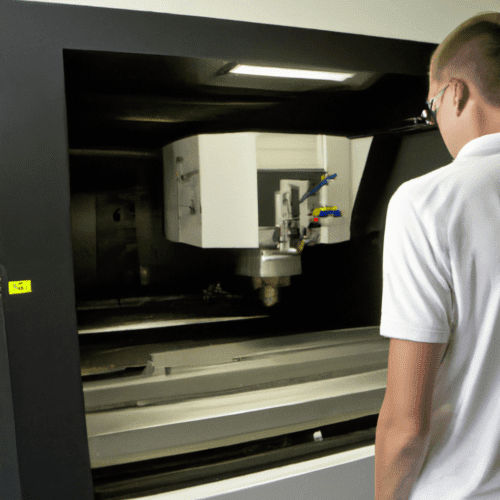
The CNC machining industry is rapidly integrating sustainable practices, moving beyond traditional methods to embrace eco-friendly innovations. This shift is driven by both environmental responsibility and significant economic benefits, with sustainability becoming a core metric in manufacturing KPIs by 2026. Modern facilities are now prioritizing resource optimization, waste reduction, and energy efficiency to maintain competitiveness and meet evolving global demands.
Optimizing Energy Consumption with Advanced Servo Motors
Energy-efficient servo motors are fundamental to reducing the carbon footprint of CNC operations. These advanced motors, particularly those meeting IE5 ultra-premium efficiency standards, significantly minimize energy waste and heat loss. They convert electrical energy into mechanical energy with superior efficiency, leading to substantial energy cost savings for manufacturers.
Permanent Magnet Synchronous Motors (PMSM) and Synchronous Reluctance Motors (SynRM) are leading the charge in this efficiency revolution. IE5 SynRMs, for instance, offer up to 50 percent lower energy losses compared to IE2 motors, and 20 percent lower losses than IE4 motors. This translates directly into reduced CO2 emissions and a longer operational lifespan for the motors themselves.
Modern servo motors also feature excellent speed regulation performance, often used in conjunction with frequency converters for dynamic speed adjustment. This precise control is crucial for applications in robotics, automotive, and general manufacturing, where accuracy and repeatability are paramount. AI and machine learning integration further enhance their precision and adaptive capabilities, improving performance over time.
Implementing Minimum Quantity Lubrication (MQL) for Cleaner Machining
| Feature | Minimum Quantity Lubrication (MQL) | Traditional Flood Coolant |
|---|---|---|
| Lubricant Volume | Milliliter quantities, precise application | Constant stream, immerses cutting zone |
| Coolant Consumption Reduction | Up to 95% | Minimal reduction |
| Chip Cleanliness | Almost fluid-free, easier to recycle | Covered in fluid, requires processing |
| Tool Life | Often extended due to targeted lubrication | Effective, but can cause thermal shock |
| Workplace Environment | Reduced mist, improved air quality | Higher mist generation, potential skin irritation |
| Disposal Costs | Significantly lower | Higher due to waste volume and treatment |
Minimum Quantity Lubrication (MQL) represents a significant departure from traditional flood cooling, delivering precise, micro-quantities of lubricant directly to the cutting zone. This near-dry machining approach drastically reduces coolant consumption, often by as much as 95% compared to conventional methods.
MQL systems atomize lubricant into an airflow, applying it exactly where needed at the tool-workpiece interface. This targeted application effectively manages heat and friction, extending tool life and improving surface finishes. It also minimizes built-up edge on cutters and drills, particularly beneficial in milling and drilling operations.
Beyond performance, MQL offers substantial environmental and health benefits. It reduces the volume of liquid waste, simplifies chip recycling by leaving chips almost fluid-free, and creates a healthier workplace by minimizing airborne mist and eliminating coolant-related skin irritation. The reduction in fluid disposal costs and regulatory burdens makes MQL an economically attractive sustainable practice.
Maximizing Value Through Metal Chip Recycling Programs
Metal chips generated during CNC machining are not merely waste; they are valuable raw materials. Implementing robust metal chip recycling programs offers significant economic returns and environmental advantages. Recycled aluminum chips, for example, can yield up to 50% of the original raw stock price per kilogram.
Effective recycling begins with at-source separation, where chips are sorted by material type into labeled containers. Mixing different metals, such as 304 stainless with mild steel, drastically reduces the resale value of the scrap. Training operators on proper segregation protocols is critical for maximizing the purity and value of the waste stream.
Further processing of chips enhances their value and reduces storage requirements. Techniques like centrifuging remove 90-95% of residual cutting fluids, while briquetting compacts chips into dense bricks. These briquettes are more efficient for storage and transport, and command a higher value per pound from recyclers. Partnering with ISO 9001/14001 certified processors ensures ethical and efficient downstream processing.
Adopting Eco-Friendly Cutting Coolants
The transition to eco-friendly cutting coolants is a vital component of sustainable CNC machining. Traditional mineral oil-based coolants often contain harmful additives that contribute to pollution and pose health risks to operators. Modern alternatives prioritize biodegradability and reduced environmental impact.
Innovations include vegetable-oil based, synthetic, and semi-synthetic coolants with low Volatile Organic Compound (VOC) content. These formulations offer efficient heat dissipation and lubrication without compromising machining performance. Some cutting-edge systems even utilize supercritical CO2 as an advanced coolant and lubricant, eliminating traditional coolant waste entirely.
Beyond environmental benefits, eco-friendly coolants improve workplace safety by reducing exposure to hazardous chemicals and minimizing mist generation. Adopting these coolants helps manufacturers meet increasingly stringent environmental regulations, avoiding potential fines and enhancing their brand credibility.
Strategies for Significantly Reducing CNC Scrap Rates
Reducing scrap rates is paramount for both economic efficiency and environmental sustainability in CNC machining. Scrap represents a triple cost: lost raw material, wasted machine time, and lost capacity for sellable products. A proactive approach to process optimization can significantly cut these losses.
Standardizing setup procedures across all machines is a foundational strategy. Inconsistent setups, including misaligned fixtures or incorrect tool offsets, are major contributors to scrap. Documented offset sheets, stored job setup data, and written checklists ensure repeatability and reduce ‘dialing it in’ waste.
Implementing in-process inspection and AI-powered quality assurance systems can detect defects at the source, preventing further value from being added to a bad part. Real-time monitoring of tool wear, temperatures, and vibrations allows for immediate adjustments, potentially reducing scrap rates by 40-60%. Empowering operators to stop the line when defects are identified is also crucial for minimizing scrap volume.
Selecting material-specific tooling and optimizing cutting parameters are also essential for minimizing waste. Generic tools often lead to poor finishes and increased scrap, especially with challenging materials. Continuous improvement through data analysis and digital Standard Operating Procedures (SOPs) helps validate methods and maintain high First Pass Yield (FPY).