
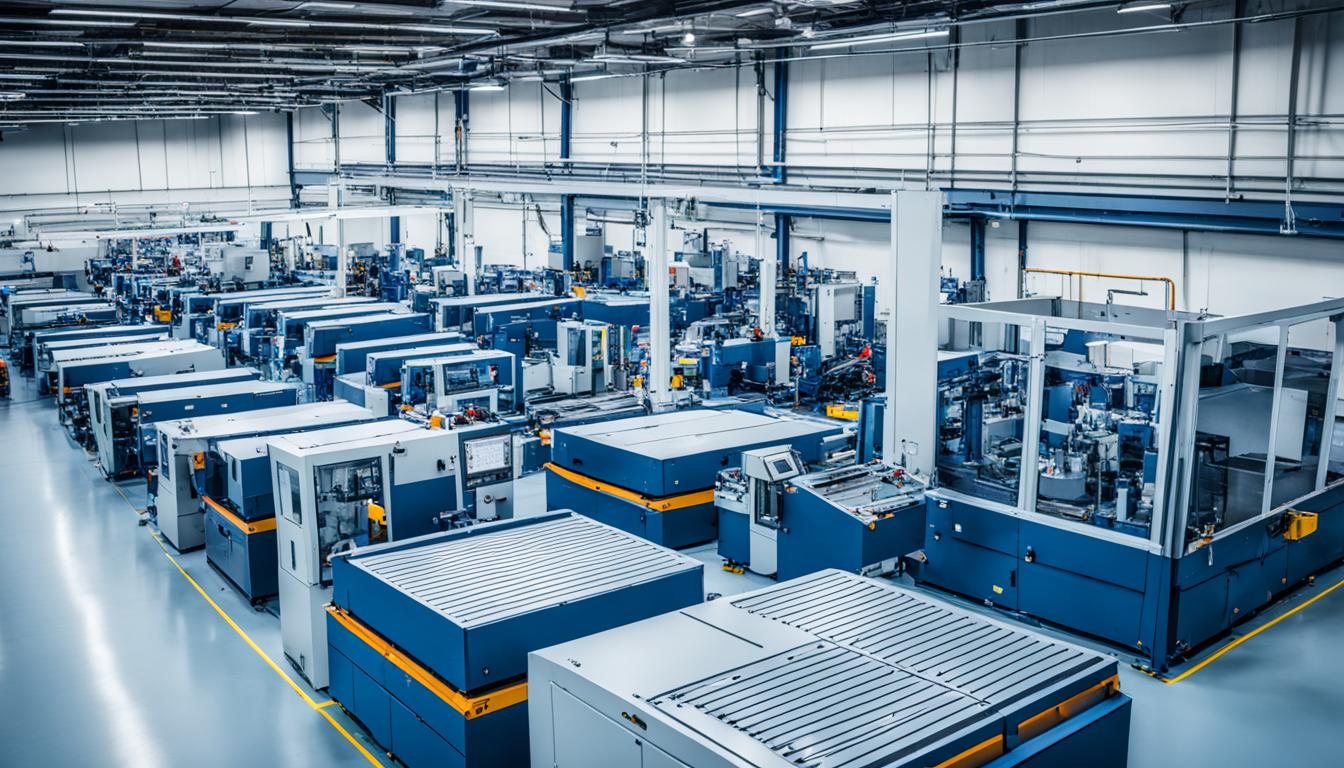
Maintaining current CNC software is not merely a recommendation; it is a critical operational imperative for any modern machine shop. Outdated systems can significantly hinder productivity, compromise precision, and introduce unnecessary risks into complex manufacturing workflows. Upgrading your CNC software today unlocks a cascade of benefits, from optimized toolpaths to enhanced design capabilities.
Optimizing Toolpath Generation for Peak Performance
Modern CAM algorithms have fundamentally transformed toolpath generation, moving beyond conventional linear approaches. Strategies like dynamic milling and trochoidal milling are now standard, employing a constant chip load throughout the cut. This involves utilizing a full axial depth of cut combined with a light radial cut, dramatically improving material removal rates and reducing overall cycle times.
These advanced techniques significantly extend tool life by distributing wear evenly across the entire cutting edge. By preventing excessive heat buildup and maintaining consistent engagement, tools remain sharper longer, leading to fewer tool changes and reduced tooling costs.
Updated software also excels at minimizing ‘air cuts,’ where the tool moves without engaging material, and optimizing multi-axis movements. This results in more efficient machining, particularly for intricate geometries, ensuring that machine tools operate at their highest potential.
Enhancing System Stability and Eliminating Critical Bugs
| Parameter | Traditional Milling | Dynamic/Trochoidal Milling |
|---|---|---|
| Radial Engagement | High (often >50% tool diameter) | Low (typically 8-15% tool diameter) |
| Axial Depth of Cut | Variable, often shallow | High (often full flute length) |
| Chip Load Consistency | Fluctuating, especially in corners | Constant, optimized for tool |
| Tool Life | Shorter, concentrated wear | Extended, even wear distribution |
| Material Removal Rate | Lower | Higher, with faster feed rates |
| Heat Generation | Higher, localized | Lower, distributed |
Regular software updates are indispensable for addressing and rectifying bugs that can lead to inaccurate product manufacturing, unexpected machine stoppages, and even catastrophic crashes. These glitches can cause significant downtime, material waste, and production delays.
In today’s interconnected manufacturing environments, security patches delivered through updates are vital. They safeguard sensitive machine data and protect against potential vulnerabilities that could be exploited, ensuring data integrity and operational security.
Furthermore, consistent software updates enhance overall machine performance and functionality, ensuring compliance with evolving industry standards. This is particularly beneficial for older CNC machines, allowing them to remain competitive and efficient within modern production frameworks.
Expanding Design Horizons with Advanced CAD Tools
The integration of artificial intelligence (AI) and generative design within contemporary CAD/CAM systems is revolutionizing product development. Engineers can now input design constraints, and AI algorithms rapidly generate hundreds or thousands of optimized design alternatives, accelerating the exploration phase.
Significant advancements in parametric and direct modeling capabilities, alongside enhanced surfacing tools, provide greater design flexibility and precision. This allows for the creation of more complex and refined geometries with improved predictability.
Reverse engineering functionality is increasingly crucial within CAD software, facilitating the conversion of 3D scan data into accurate, editable parametric models. This capability is invaluable for redesigning existing components, maintaining legacy products, or analyzing competitor designs.
Ensuring Machine Compatibility with Modern Post-Processors
Updated post-processor libraries are fundamental for seamless integration with the latest CNC machine kinematics, including advanced 5-axis and turn-mill configurations. These updates ensure that the CAM software generates accurate and optimized G-code tailored to specific machine capabilities.
Features like Tool Center Point Control (TCPC), also known as Rotate Tool Center Point (RTCP), are critical for 4- and 5-axis machining. TCPC allows the machine to correctly execute contouring programs even if the workpiece is not precisely located as specified by the CAM system, eliminating the need for time-consuming reposting.
Modern post-processors also enhance compatibility across diverse CNC controllers, such as Fanuc, Siemens, and Heidenhain. They enable the utilization of advanced G-code features, leading to more precise tool movements and overall more efficient machining operations.
Visualizing Complex Operations Through Superior 3D Simulation
Enhanced 3D simulation graphics provide real-time material removal visualization and highly accurate kinematic simulations, allowing for comprehensive verification of toolpaths. This digital twin approach ensures that the machining process aligns perfectly with the design intent.
Advanced collision detection is a critical feature, identifying potential clashes between the tool, tool holder, fixtures, and machine components before any physical machining occurs. This proactive identification prevents costly damage to machinery, tooling, and workpieces.
Simulation software also delivers highly accurate cycle time estimations, which are indispensable for precise production planning, quoting, and resource allocation. Furthermore, virtual machine setup capabilities reduce physical setup errors and minimize valuable machine downtime.