
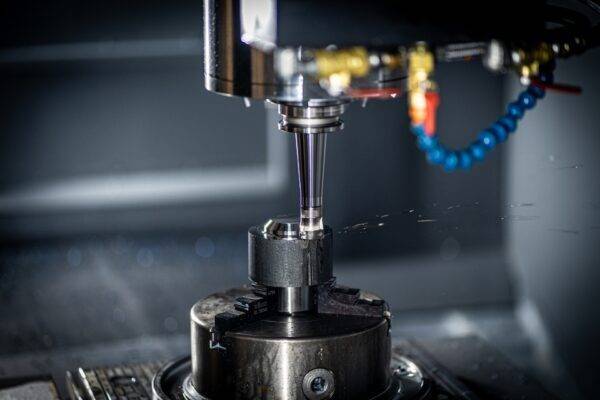
Implementing ergonomic principles in CNC workstation design directly enhances operational efficiency and reduces the risk of musculoskeletal disorders among machinists. This proactive approach considers the physical and cognitive demands placed on operators during prolonged machining cycles. Ergonomic issues in CNC machining can lead to musculoskeletal disorders (MSDs), cognitive fatigue, and reduced productivity, posing risks to worker health and safety.
Designing the entire operator experience, encompassing setup, running, checking, cleaning, and maintenance, makes it easier to consistently produce quality work. This focus ensures operators can stand correctly, see clearly, reach necessary components, and maintain machine productivity without struggling against the interface or enclosure design.
Ergonomic Principles for CNC Workstations
Optimizing workstation design is critical for reducing physical ergonomic hazards in CNC environments. Key considerations include adjustable work surfaces, allowing operators to maintain neutral postures. An adjustable workbench, for instance, accommodates various operator heights, minimizing the need for bending or excessive reaching.
The International Organization for Standardization (ISO) provides a multi-part standard, ISO 9241, which covers the ergonomics of human-system interaction. This framework emphasizes human-centered design (HCD), ensuring technology is designed around user needs and capabilities. ISO 9241-210, specifically, outlines principles and activities for human-centered design of interactive systems, aiming to enhance effectiveness, efficiency, and human well-being.
Workstation height is a primary ergonomic factor. The optimal work area should generally fall between 800 and 1,500 millimeters high. Working above heart level or bending below 800 millimeters can disproportionately strain employees, affecting blood circulation and reducing oxygen supply to muscles.
Reducing Operator Fatigue Through Thoughtful Design
| Material Type | Key Characteristics | Typical Applications |
|---|---|---|
| Polyurethane | Superior shock absorption, enhanced comfort, high-performance ergonomic needs. | High-performance ergonomic needs, light-duty workstations. |
| Nitrile Rubber | Superior durability, excellent oil/grease/chemical resistance, non-porous. | Heavy industrial zones, food processing, automotive, machining environments. |
| Vinyl/PVC | Affordable, lightweight, easy to clean, good chemical resistance. | Laboratories, assembly lines, medical facilities, light industrial. |
| Blended Materials | Combines benefits for customized solutions, high-impact resistance. | Manufacturing and warehousing facilities. |
Operator fatigue significantly impacts productivity and safety in CNC operations. Prolonged standing, repetitive tasks, and awkward postures contribute to physical and mental strain. Implementing strategies like task rotation, where operators alternate between programming, machine setup, and quality inspection, can reduce repetitive strain injuries and mental fatigue.
Physical layout optimization directly impacts productivity by reducing operator walking distances and fatigue-related breaks. Repositioning commonly used tools and gauges within easy reach, for example, can significantly decrease the average walking distance per shift. This stabilization of performance leads to reduced average cycle times.
Modern CNC machines incorporate features specifically designed to mitigate fatigue. These include automated loading/unloading systems to reduce manual handling, vibration-dampening mounts, and noise reduction enclosures. Such modifications minimize exposure to physical hazards and improve the overall working environment.
Optimizing Control Panels and Heavy Workpiece Handling
Adjustable control panels are essential for accommodating the diverse physical characteristics of CNC operators. A two-axis adjustable operator panel, offering tilt and swivel functions, allows the screen and controls to remain comfortable for viewing and use, regardless of the operator’s height or the specific task.
Control panels should be positioned at elbow height and angled to minimize neck strain. Touchscreens and large, clearly labeled buttons reduce the need for excessive force or repetitive motions. Emergency stop buttons and critical overrides should be within a 500-700 mm reach envelope for immediate access.
For heavy workpiece crane lifts, proper planning is paramount. Overhead crane capacity calculations must account for the maximum total load, including the workpiece, lifting beam, spreader, and other below-the-hook equipment. OSHA mandates that cranes not be loaded beyond their rated capacity during normal operation.
Heavy-duty overhead cranes are available in capacities ranging from 20 tons to over 500 tons, depending on the application. These cranes often feature double girder structures for higher loads and spans, and variable frequency drives (VFD) for smooth starting and braking, reducing mechanical impact and load swing.
The Role of Anti-Fatigue Matting
Anti-fatigue matting is a crucial component in reducing musculoskeletal strain for CNC operators who spend extended periods standing. These mats provide cushioning and stability, mitigating the impact of hard concrete floors. They are a key intervention in an overall ergonomics program.
Material composition and thickness are critical factors in selecting anti-fatigue mats. Industrial mats typically range from 9mm to 25mm (approximately 3/8 inch to 1 inch) in thickness. Polyurethane formulations offer premium ergonomic performance, while nitrile rubber provides superior durability and resistance to oils and chemicals common in machining environments.
For most factory and industrial settings, a mat thickness of 3/4 inch to 1 inch is highly effective, providing a balance of cushioning and stability for sustained standing work. Thinner mats (around 1/2 inch) suit lighter workstations or shorter standing periods, while thicker options are best for heavy-duty environments or prolonged shifts.
Ensuring Safe Machine Loading Access
Safe machine loading access is critical for preventing injuries and improving efficiency. For single-operator CNC machine loading, raising the material to bed height first, often with a scissor-lift sheet trolley or a roller in-feed shelf, transforms a lift into a slide, reducing physical strain.
When handling sheets heavier than approximately 40 kg or longer than 2.5 meters, utilizing a vacuum lifter on a jib crane becomes essential. Proper layout, ensuring a clear path from material storage to the machine, is crucial to avoid bottlenecks and reduce the risk of injury.
Machine guards and safety interlocks are fundamental to safe access. Enclosures are designed to separate the operator from the machining area, containing chips, coolant, and fragments. Door interlocks prevent dangerous machine movements when access doors are open, and these should never be bypassed.
Operators must be thoroughly familiar with safe access points for routine maintenance tasks like coolant level checks or chip removal. These tasks should always be performed under safe conditions, typically with the machine off and proper lockout/tagout procedures in place.