
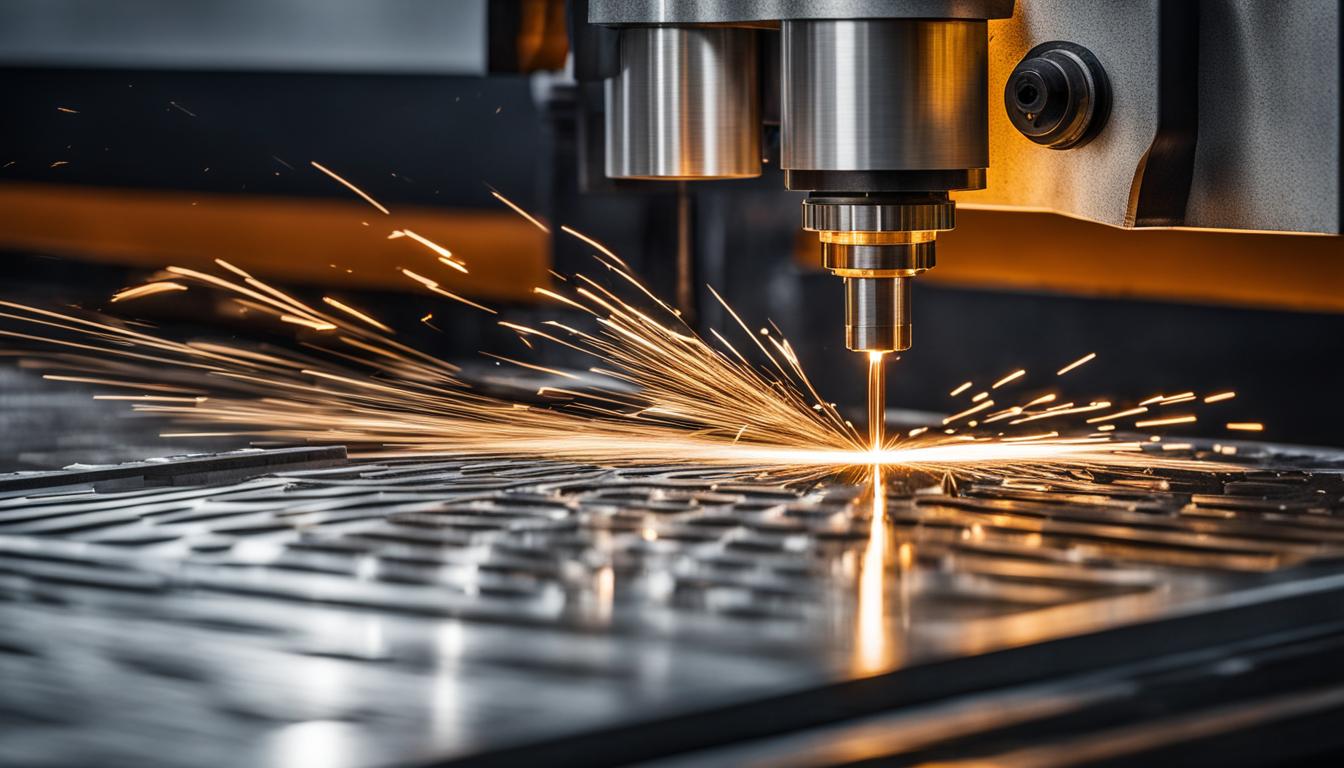
CNC routers, traditionally associated with woodworking and softer materials, are increasingly capable of machining steel. This capability, however, demands significant upgrades and a thorough understanding of metalworking principles. Successfully cutting steel on a CNC router requires careful consideration of machine rigidity, spindle characteristics, feed rates, tooling, and coolant strategies.
While a standard woodworking router might struggle, specialized CNC routers designed for metal can handle materials like aluminum, brass, and even mild steel, provided the machine is equipped with the correct tooling and settings. These machines incorporate robust components and advanced features to overcome the inherent challenges of machining harder materials.
Gantry Machine Frame Rigidity for Steel
Machining steel generates substantial cutting forces and vibrations, necessitating a highly rigid machine frame. Static rigidity, defined as the ratio of applied force to deformation, is a critical metric. For cutting wood, a static rigidity of 5 N/µm might suffice, but aluminum requires 10-20 N/µm, and steel machining typically demands 25 N/µm or higher.
Gantry design plays a crucial role in maintaining spindle rigidity and stability throughout the cut. Machines with a fixed workpiece and a moving gantry often provide better stability for heavy or long parts. Steel frames generally offer superior stiffness compared to aluminum, although thick aluminum sections can be engineered to match steel rigidity at a similar mass.
Minimizing deflection is paramount for achieving tight tolerances and superior surface finishes in steel. A rigid machine reduces vibrations, extends tool life, and allows for higher feed rates and deeper cuts without compromising quality.
Low RPM, High Torque Spindles Are Essential
| Material (Condition) | Tool Material | Cutting Speed (SFM) | Feed per Tooth (IPT) for 1/4″ End Mill | Typical Axial Depth of Cut |
|---|---|---|---|---|
| 1018 Low Carbon Steel | Solid Carbide (TiSiN/AlTiN coated) | 200-400 | 0.001″ – 0.003″ | 0.05″ – 0.15″ |
| 4140 Annealed Steel | Carbide | 250-400 | 0.001″ – 0.002″ | 0.05″ – 0.25″ |
| 4140 Hardened Steel (28-32 HRC) | Coated Carbide | 120-200 | 0.0005″ – 0.0015″ | 0.05″ – 0.1″ |
| Stainless Steel 304 | Carbide (AlTiN/TiAlN coated) | 100-150 | 0.001″ – 0.003″ | 0.05″ – 0.1″ |
Unlike aluminum or wood, which benefit from high spindle speeds, steel machining requires lower RPMs coupled with high torque. High torque is necessary to maintain cutting force through the material’s density and strength, especially at slower speeds.
Spindles designed for steel typically operate in the range of 6,000 to 12,000 RPM, with some applications requiring as low as 1,000-2,000 RPM for heavy cutting. For example, a 10 mm cutter in steel might require a 3.3 kW spindle, while a 20 mm cutter could demand 10 kW.
High-torque, gear-driven spindles are often preferred for steel and alloy steel, providing stable output at lower RPMs and absorbing cutting impacts. These spindles are crucial for deep cuts and large-area roughing operations, minimizing spindle load drop.
Managing Heavy Feed Rate Limitations
Feed rate, the speed at which the cutting tool moves through the material, must be carefully balanced with spindle speed and material properties. For steel, excessively high feed rates can lead to increased cutting forces, tool deflection, poor surface finish, and even tool breakage.
Conversely, a feed rate that is too slow can cause excessive friction, heat buildup, and potential work hardening of the steel, especially with materials like 304 stainless steel. Typical feed rates for CNC routers range from 100 to 500 inches per minute (IPM), but hard materials like metals necessitate slower rates.
Optimizing feed rates involves considering the material type, tool material, machine capabilities, and desired outcomes. Tool manufacturers provide recommended guidelines, and the chip load formula (Feed Rate / Spindle Speed × Number of Flutes) helps ensure proper material removal per tooth.
Optimal Carbide Bit Selection for Ferrous Metals
Carbide end mills are the industry standard for machining steel due to their superior hardness, heat resistance, and ability to maintain sharpness at higher cutting speeds compared to High-Speed Steel (HSS) tools. They offer longer tool life and enable tighter tolerances.
When selecting carbide bits for steel, consider the following:
- Flute Count: 3-4 flutes are generally recommended for mild or alloy steels, providing a stronger tool and smoother cuts. For stainless steel, 4-flute end mills are often preferred to maintain a reasonable feed rate with lower chip load per tooth.
- Coatings: Coatings like TiAlN, AlTiN, or TiCN are highly beneficial for managing heat and wear when machining steel. These coatings reduce friction and enhance tool durability.
- Geometry: Square end mills are suitable for flat bottoms and straight walls, while corner radius tools offer stronger edges and reduce chipping in steels. Variable helix or variable pitch designs can further reduce vibrations and improve surface finish.
For hardened steels (e.g., 28-32 HRC), carbide tools perform best at 120-200 SFM, dropping to 80-120 SFM for harder conditions (40-45 HRC), often with coated carbide inserts. Small diameter end mills (e.g., 3-5mm) can be used with higher speed spindles if surface speed parameters are met.
The Indispensable Role of Flood Coolant
Machining steel generates significant heat, which can lead to rapid tool wear, poor surface finish, and even material warping. Flood coolant systems are essential for dissipating this heat, lubricating the cutting action, and efficiently evacuating chips from the work area.
Flood coolant is particularly effective for materials prone to overheating or work hardening, such as stainless steel. It ensures proper tool lubrication, helps achieve optimal surface finishes, and prevents re-cutting of chips.
While some steel operations with carbide tooling at very high surface feet per minute (SFM ≥ 500) might risk thermal shock with flood coolant, for speeds below 500 SFM, flood coolant is highly recommended. It is crucial to use proper coolant to significantly reduce heat buildup and extend tool life.
Coolant types include straight oils, water-soluble oils, semi-synthetics, and synthetics, each offering different balances of lubricity and cooling. Water-soluble oils and semi-synthetics are common for general machining, providing good lubricity and cooling capabilities. An oil skimmer is recommended for machines that sit idle to maintain coolant life and prevent bacterial growth.
Standard Tolerances and Feeds & Speeds for Steel
Achieving precise dimensions in steel machining on a CNC router requires adherence to standard tolerances. For most metals, standard CNC machining tolerances are typically ±0.005 inches (±0.127 mm). Precision machining can achieve tighter tolerances, sometimes down to ±0.001 inches (±0.025 mm) or even ±0.0005 inches (±0.012 mm) for reamed holes.
Feeds and speeds are critical for successful steel machining, balancing tool life, surface finish, and material removal rates. These parameters vary significantly based on the specific steel alloy, its hardness, the tool material, and the operation.
These values are starting points and require fine-tuning based on specific machine capabilities, tool geometry, and desired surface finish. Always consult tool manufacturer recommendations for precise parameters.