
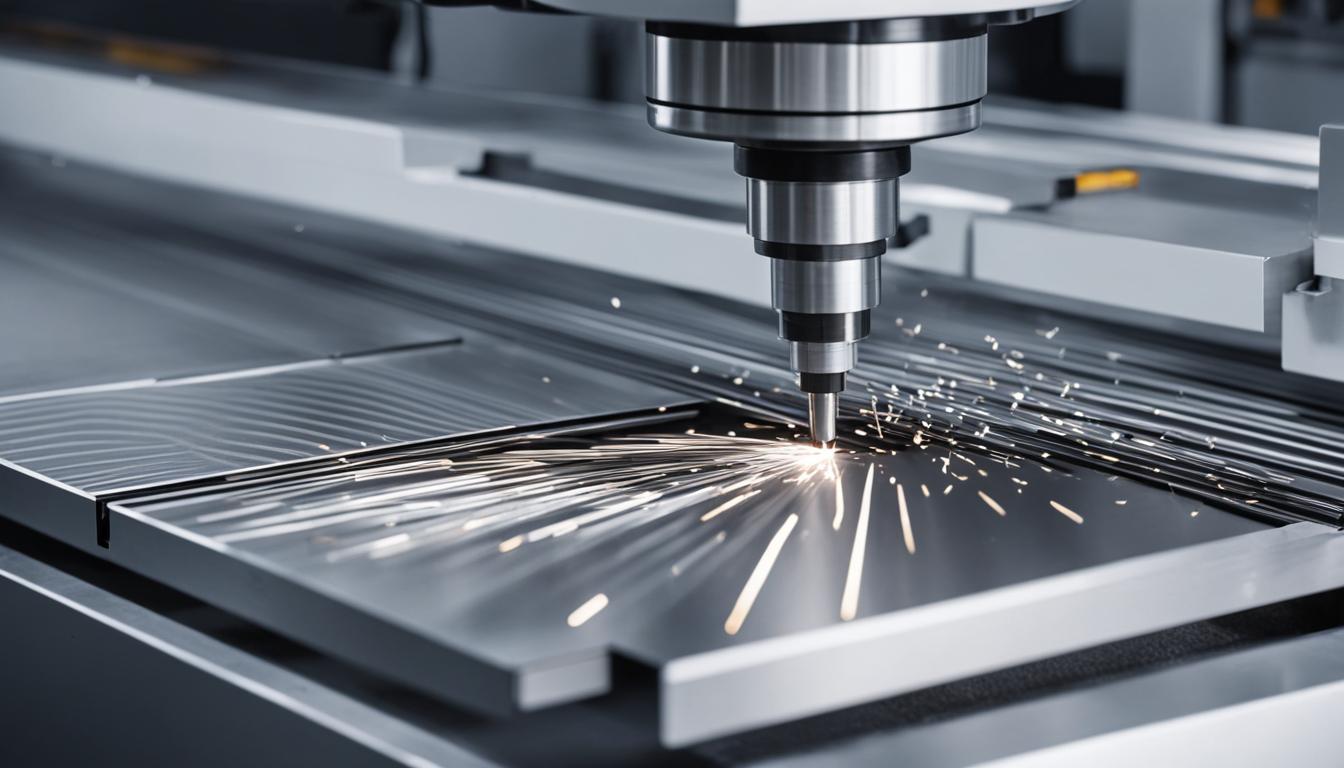
Computer Numerical Control (CNC) machines are indispensable in modern metalworking, offering unparalleled precision and repeatability for a vast array of metallic materials. Their robust construction and sophisticated control systems enable efficient material removal, even from challenging alloys.
The fundamental capability of a CNC machine to process metal stems from its rigid structure, powerful spindle, and precise motion control. These elements combine to deliver the necessary force and accuracy for cutting, drilling, and shaping various metals, from soft aluminum to hardened tool steels.
CNC Machine Construction for Metalworking
Heavy cast iron frames form the backbone of most high-performance CNC machining centers, providing exceptional rigidity and vibration damping crucial for metal cutting. The inherent mass and material properties of cast iron effectively absorb cutting forces, preventing chatter and improving surface finish.
Machine tool builders often utilize Meehanite cast iron for its superior damping capacity, which can be up to ten times greater than steel. This material choice directly translates to extended tool life and tighter dimensional tolerances during aggressive metal removal operations.
The stability offered by these substantial frames is critical for maintaining accuracy over long machining cycles and under heavy loads. Without such a robust foundation, the dynamic forces generated during metal cutting would lead to unacceptable deflections and inaccuracies.
Modern CNC machines also incorporate advanced linear guides and ball screws, which, when coupled with a rigid frame, ensure precise and repeatable axis movement. These components are essential for achieving the tight tolerances demanded by contemporary engineering applications.
Optimizing Metal Removal with Carbide Tooling
| Material | Carbide SFM (approx.) | Typical Chip Load (in/tooth) | Hardness (HB) |
|---|---|---|---|
| 6061 Aluminum | 800-2000 | 0.002-0.008 | 95 |
| 1018 Steel | 300-700 | 0.003-0.007 | 126 |
| 4140 Steel | 250-600 | 0.002-0.006 | 217 |
| 304 Stainless Steel | 150-400 | 0.001-0.004 | 187 |
| Ti-6Al-4V Titanium | 80-200 | 0.0005-0.002 | 334 |
Carbide tooling is the industry standard for machining most metals due to its high hardness, wear resistance, and ability to maintain cutting edges at elevated temperatures. These properties allow for significantly higher cutting speeds and feed rates compared to high-speed steel (HSS) tools.
Different carbide grades and coatings are specifically engineered for various metal groups. For instance, PVD (Physical Vapor Deposition) coatings like TiAlN (Titanium Aluminum Nitride) are excellent for machining steels and stainless steels, offering enhanced heat resistance and lubricity.
When machining aluminum, uncoated or bright carbide tools are often preferred to prevent built-up edge formation, though some specialized coatings like diamond-like carbon (DLC) can also be effective. The choice of carbide geometry, such as helix angle and flute count, also plays a significant role in chip evacuation and surface finish.
For challenging materials like titanium and nickel-based superalloys, specific tough carbide substrates with advanced PVD coatings are employed. These tools are designed to withstand the extreme heat and abrasive wear generated by these difficult-to-machine metals.
Effective Chip Management and Coolant Strategies
Flood coolant systems are paramount in metal CNC machining, serving multiple critical functions beyond just cooling the workpiece and tool. They are essential for efficient chip evacuation, preventing chip recutting and maintaining a clear cutting zone.
High-pressure flood coolant, often delivered at 500 PSI or more, effectively flushes chips away from the cutting interface, especially in deep pockets or during drilling operations. This prevents chip accumulation, which can lead to tool breakage, poor surface finish, and increased heat.
The type of coolant—soluble oil, semi-synthetic, or synthetic—is selected based on the material being machined and the specific operation. Soluble oils provide excellent lubrication for ferrous metals, while synthetics offer superior cooling and cleanliness for non-ferrous materials.
Proper coolant concentration and filtration are also vital for maintaining performance and extending coolant life. Contaminated or improperly mixed coolant can lead to bacterial growth, reduced lubricity, and compromised cooling efficiency, impacting both tool life and part quality.
Precision Feeds, Speeds, and Horsepower for Metal
Accurate calculation of feeds and speeds is fundamental to successful metal machining, directly influencing tool life, surface finish, and material removal rate. These parameters are derived from the material’s machinability, tool material, and machine capabilities.
Surface Feet Per Minute (SFM) is a key parameter, representing the speed at which the cutting edge passes over the material. It is calculated as: SFM = (RPM × π × Diameter) / 12.
Feed rate, typically expressed in inches per minute (IPM) or millimeters per minute (MMPM), is determined by the chip load per tooth (CLPT) and the number of teeth on the cutter. The formula is: IPM = RPM × Number of Teeth × CLPT.
Machine horsepower (HP) specifications dictate the maximum material removal rate achievable. Spindle horsepower is crucial for heavy cuts, particularly in tough materials like steel and titanium. A general guideline for steel milling might require 1 HP per cubic inch per minute of material removal.
For example, machining 4140 steel with a carbide end mill might use an SFM of 300-600 and a chip load of 0.003-0.006 inches per tooth, depending on the specific carbide grade and depth of cut. Aluminum 6061, being softer, can tolerate much higher SFM, often exceeding 1000 SFM.
Modern Tolerances and Engineering Practices
Achieving tight dimensional tolerances is a hallmark of CNC metal machining, with modern machines capable of holding features within ±0.0005 inches (±0.0127 mm) or even tighter under optimal conditions. Precision machining often targets ISO 2768-1 fine or medium classifications.
Geometric Dimensioning and Tolerancing (GD&T) principles are extensively applied to define functional requirements and ensure interchangeability of parts. CNC programming directly translates these GD&T specifications into machine movements, ensuring critical features are held precisely.
Surface finish requirements, often specified in Ra (Roughness average) values, are also critical in metal components. CNC machines can achieve finishes as fine as 8-16 Ra micro-inches (0.2-0.4 Ra micrometers) through optimized tooling, feeds, speeds, and coolant application.
Modern engineering practices emphasize process control and in-process measurement to maintain these tight tolerances. Probing systems integrated into CNC machines allow for automated part inspection and adaptive machining, compensating for tool wear or thermal expansion.