
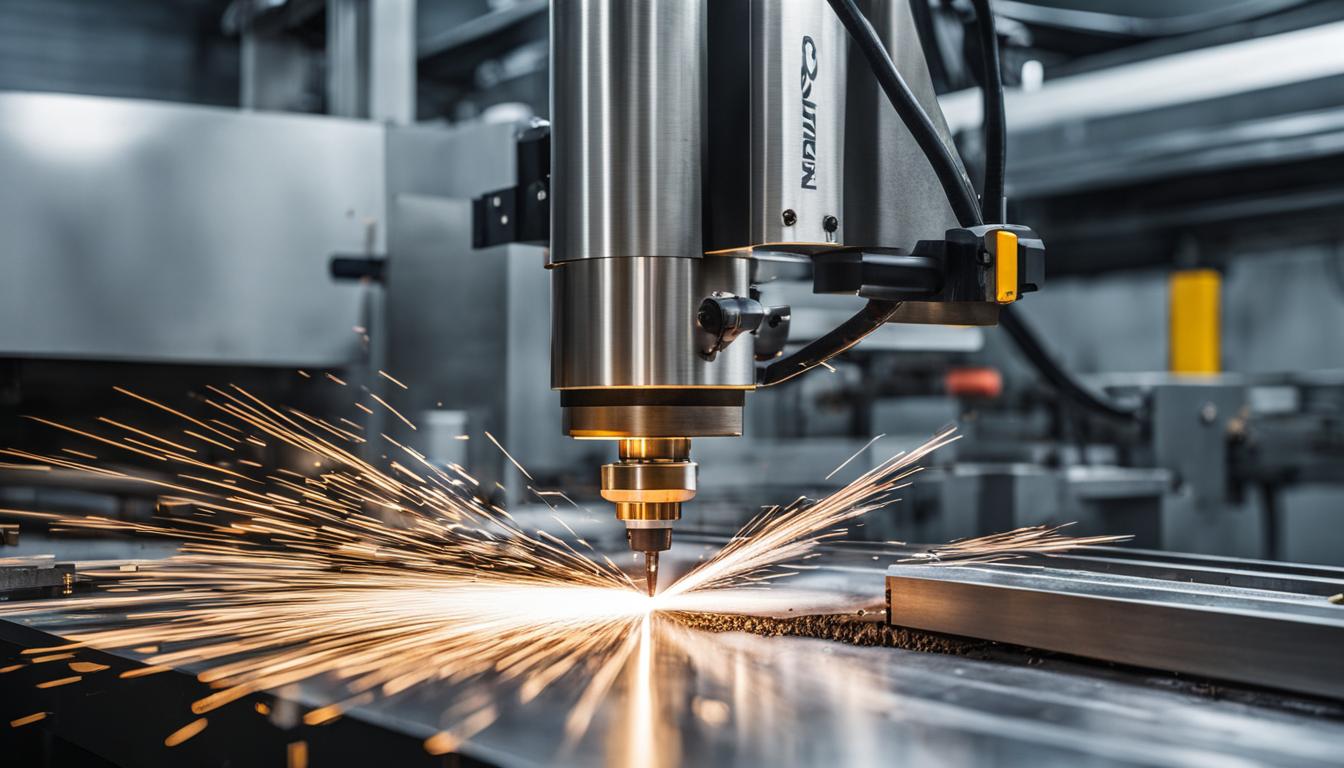
Modern Computer Numerical Control (CNC) machines are engineered to precisely cut a wide array of metal components, transforming raw stock into intricate parts with high accuracy. The capability to machine metals like aluminum, steel, stainless steel, and even titanium alloys stems from advancements in machine design, tooling, and process control. Achieving optimal results in metal cutting relies on a synergistic interplay of several critical engineering factors.
Machine Frame Stiffness
The structural integrity of a CNC machine’s frame is paramount for effective metal cutting, directly influencing precision and surface finish. High rigidity minimizes deflection and vibration during machining operations, which is crucial when cutting hard materials that generate significant forces. Cast iron is a favored material for machine frames due to its exceptional vibration damping properties and high rigidity.
While steel offers high stiffness, its damping characteristics are generally poor, making cast iron or steel weldments filled with epoxy granite more suitable for vibration control. Modern CNC machines often incorporate rigid cast iron or polymer concrete structures, high-stiffness spindle assemblies, and precision linear guideways to enhance overall stability.
For demanding applications like steel cutting, a static rigidity of 25 N/µm or higher is typically required. Aluminum cutting, while less demanding, still necessitates 10-20 N/µm. This structural robustness ensures the cutting tool follows its programmed path accurately, preventing chatter and maintaining dimensional integrity.
Solid Carbide Tooling
| Material | Cutting Speed (SFM) | Feed Rate (IPM) | Standard Tolerance (in) |
|---|---|---|---|
| Aluminum 6061 | 500-2000+ | 20-100+ | ±0.005 |
| Mild Steel 1018 | 200-800 | 10-40 | ±0.005 |
| Stainless Steel 304 | 150-600 | 8-30 | ±0.005 |
| Titanium Alloys | 50-200 | 3-15 | ±0.005 |
Solid carbide tooling is indispensable for modern metal cutting in CNC environments, offering superior hardness, wear resistance, and hot strength compared to high-speed steel (HSS) tools. These tools maintain their cutting edge integrity even at the elevated temperatures generated during high-speed machining.
Advanced coatings further enhance the performance and longevity of solid carbide end mills. Titanium Aluminum Nitride (TiAlN) coatings, for instance, increase resistance to tool wear and heat transfer, making them ideal for machining stainless steels, nickel alloys, and titanium alloys. Aluminum Chromium Nitride (AlCrN) coatings offer even greater resistance to high temperatures and wear, suitable for challenging materials like stainless steel and titanium.
For non-ferrous materials such as aluminum, coatings like Zirconium Nitride (ZrN) or Diamond-Like Carbon (DLC) provide excellent lubricity and improved chip flow, preventing material from sticking to the cutter. The selection of the appropriate carbide grade and coating is critical for maximizing tool life and achieving desired surface finishes across diverse metal types.
Cutting Speeds and Feeds
Optimizing cutting speeds and feeds is fundamental to efficient and precise metal removal, directly impacting tool life, surface finish, and material removal rates. These parameters must be carefully balanced against the workpiece material’s properties, tool geometry, and machine capabilities. Incorrect settings can lead to excessive heat, rapid tool wear, poor surface finish, or even tool breakage.
Standard tolerances for CNC machining typically range from ±0.005 inches (±0.127 mm) for most metals, achievable with conventional tooling. For critical features, precision machining can hold tolerances of ±0.001 to ±0.002 inches (±0.025 to ±0.051 mm) reliably, with some processes like grinding and wire EDM reaching ±0.0001 inches (±0.0025 mm).
The machinability of a metal, influenced by its hardness, chemical composition, and microstructure, dictates the achievable speeds and feeds. Materials like stainless steel and titanium, known for work hardening and high heat generation, require specialized strategies and often lower cutting speeds to prevent premature tool wear and chatter.
Coolant Application Methods
Effective coolant application is vital for managing the intense heat and friction generated during metal cutting, which can otherwise lead to thermal expansion, tool wear, and compromised part quality. Coolants also provide lubrication and aid in chip evacuation.
Flood cooling, a common method, involves streaming large quantities of coolant over the workpiece and tool. While cost-effective for many general applications, its effectiveness can be limited by chip obstruction or workpiece geometry, preventing coolant from reaching the precise cutting zone.
High-pressure coolant (HPC) systems deliver coolant at 500-2,000+ PSI directly to the cutting zone, often through the spindle and tool itself. This method penetrates the ‘vapor barrier’ that forms at high temperatures, effectively cooling the hot zone, lubricating, and breaking chips into smaller, manageable segments. HPC significantly improves tool life, chip control, surface finish, and allows for faster cutting speeds.
Minimum Quantity Lubrication (MQL), also known as near-dry machining, applies a very small, atomized amount of lubricant directly to the cutting interface. MQL reduces fluid consumption and disposal costs, improves workplace cleanliness, and can extend tool life by focusing on heat management and friction reduction. It is particularly beneficial for machining aluminum, steel, and cast iron.
Metal Removal Capabilities
The ability of a CNC machine to efficiently remove metal is quantified by its Material Removal Rate (MRR), which is the volume of material removed per minute. Optimizing MRR is crucial for maximizing productivity and reducing cycle times.
For milling operations, MRR is calculated by multiplying the radial depth of cut, axial depth of cut, and feed rate. Factors such as machine rigidity, spindle power, tool material, and coolant effectiveness directly influence the achievable MRR.
Modern machining strategies, including trochoidal milling and adaptive machining systems, are designed to maximize MRR while minimizing tool load and heat generation, especially for tough alloys. These techniques, combined with robust workholding and effective chip evacuation, ensure consistent material removal and high-quality parts.