
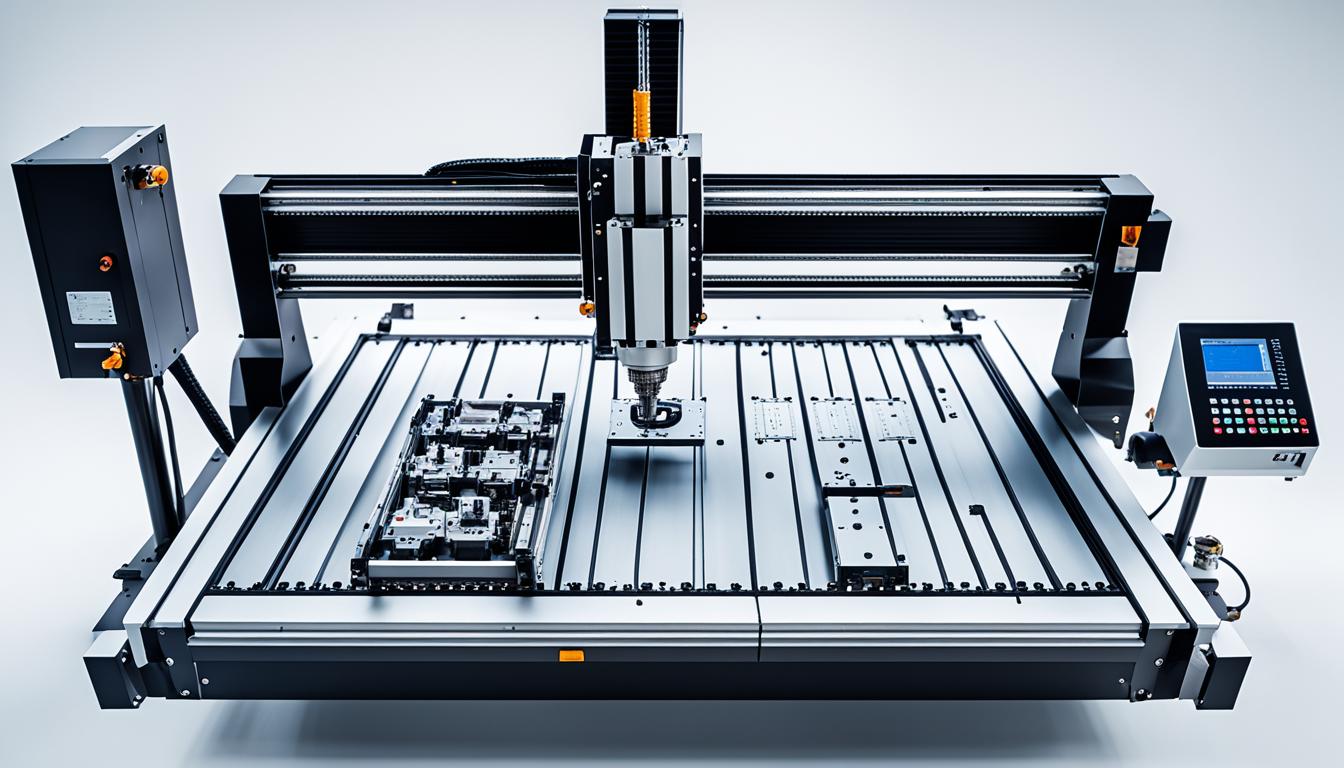
The investment required for a CNC router varies significantly, influenced by factors such as machine size, spindle power, control system sophistication, and included accessories. Understanding these cost drivers is crucial for selecting a machine that aligns with specific operational needs and budget constraints. From hobbyist setups to industrial production lines, each category presents distinct price points and capabilities.
Modern CNC routers are essential tools in diverse manufacturing sectors, offering precision and repeatability across materials like wood, plastics, and even some metals. The core components, including the bed frame, spindle, and control system, all contribute to the overall cost and performance profile of the machine.
Initial Investment: Entry-Level Hobby and Benchtop Routers
Entry-level hobby CNC routers typically range from under $1,000 to approximately $3,000. Machines like the OneFinity Apprentice, starting around $995, offer a robust entry point with ball screw precision, while models such as the Shapeoko 4 are priced at about $1,800. These smaller machines are ideal for learning fundamental CNC concepts, light engraving, and crafting projects in soft materials like foam, balsa wood, and thin plywood.
Benchtop CNC routers, often a step up from basic hobby models, generally fall within the $3,000 to $10,000 range. These machines provide larger work areas and more rigid frames, enabling users to tackle more substantial projects and a wider array of materials, including hardwoods and some plastics. Spindle power for these units typically ranges from 0.8kW to 2.2kW, suitable for both 2D and 3D operations.
Essential accessories for hobby and benchtop setups, such as router bits, dust collection systems, and CAD/CAM software, add to the initial investment. A quality set of bits can cost $100-$200, while dust collection systems may range from $100-$300. Software options vary from free to several hundred dollars, with VCarve Desktop being a popular choice at approximately $350.
Industrial 4×8 CNC Router Systems and Their Pricing
| Router Category | Typical Price Range (USD) | Spindle Power (kW) | Common Materials | Standard Tolerance (mm) |
|---|---|---|---|---|
| Entry-Level Hobby | $500 – $3,000 | 0.5 – 1.5 | Softwoods, Foam, Soft Plastics | ±0.2 – ±0.5 |
| Mid-Range Benchtop | $3,000 – $10,000 | 0.8 – 2.2 | Hardwoods, MDF, Acrylic, Light Aluminum | ±0.1 – ±0.2 |
| Industrial 4×8 | $10,000 – $200,000+ | 6.0 – 12.0+ | Plywood, MDF, Solid Wood, Composites, Aluminum | ±0.05 – ±0.1 |
Industrial 4×8 CNC routers, designed for full-sheet material processing, represent a significant investment, with prices typically starting from $4,000 and extending well over $20,000, depending on configuration and features. These machines are staples in woodworking, cabinetry, and fabrication shops, capable of handling materials like plywood, MDF, and various plastics without repositioning.
A basic 4×8 CNC wood router kit for beginners might cost between $4,380 and $5,500. However, professional 4×8 systems with advanced features like automatic tool changers (ATC) can range from $12,500 to $21,800. High-power spindles, often 6kW to 9kW, are standard in these industrial machines, providing the necessary torque for deep cuts in dense materials and continuous production.
The overall cost is influenced by components such as the working table (T-slot or vacuum), CNC controller, gantry, guide rails, and motors. Industrial-grade machines often feature robust welded steel frames and high-frequency, liquid-cooled spindles for extended performance and precision.
Enhancing Capabilities: Vacuum Pumps and Automatic Tool Changers
Integrating a vacuum pump system is a common upgrade for industrial CNC routers, significantly improving workholding capabilities. These systems secure workpieces firmly to the table, preventing movement during aggressive cutting operations, which is crucial for maintaining precision and reducing material waste. While specific pricing for vacuum pumps in 2026 was not explicitly detailed, they are often included in higher-end industrial packages or purchased as substantial add-ons.
Automatic Tool Changers (ATCs) streamline the machining process by enabling the router to switch between multiple tools without manual intervention. This automation drastically reduces cycle times and increases overall efficiency, particularly for complex jobs requiring various cutting tools. ATC systems can add between $3,000 and $8,000 to the cost of an existing CNC machine, with entry-level ATC CNC router kits starting around $12,000.
Industrial 4×8 ATC CNC routers, featuring 9kW air-cooling ATC spindles and linear automatic tool changers, are available in price ranges from $14,000 to $18,000. These systems are critical for high-volume production environments where continuous operation and minimal downtime are paramount. The integration of advanced control systems, such as Taiwan Syntec, further enhances their capabilities.
Understanding Ongoing Operational and Maintenance Expenses
Beyond the initial purchase, CNC router ownership involves ongoing operational and maintenance costs. These expenses include consumables like router bits, which can range from $30 to $200 per tool, and software licenses. Electricity consumption, particularly for high-power spindles and vacuum pumps, also contributes to running costs.
Maintenance is a significant factor, averaging around $200 per month for a machine running 10 hours daily. This covers the upkeep of critical components such as spindles, motors, guide rails, and ball screws. Unplanned downtime due to component failures, like a spindle, can incur substantial repair costs, ranging from $15,000 to $50,000, plus thousands per hour in lost production.
Achieving optimal performance and extending tool life requires careful attention to feeds and speeds, which vary by material. For instance, cutting MDF typically involves spindle speeds of 16,000-18,000 RPM and feed rates of 100-150 IPM. For aluminum, spindle speeds often exceed 10,000 RPM with chip loads between 0.02mm and 0.08mm per tooth. Standard tolerances for CNC routed plastics are around ±0.2 mm, while wood can vary, with some shops achieving ±0.2 mm for CNC-routed parts.