
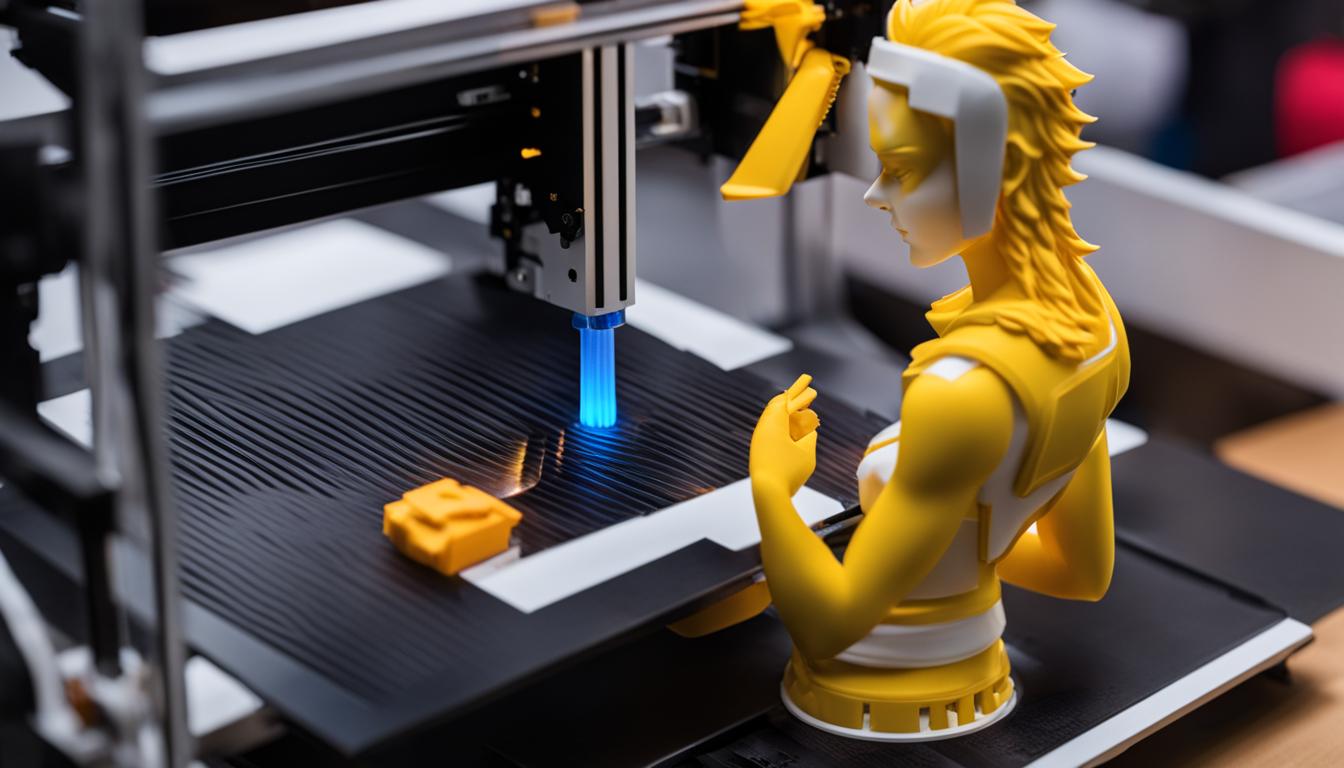
Monoprice has established itself as a significant provider of accessible 3D printing technology, particularly for hobbyists and educational settings. Their range of Fused Deposition Modeling (FDM) printers emphasizes ease of use, compact design, and affordability, making them ideal for those new to additive manufacturing. These ready-to-print desktop units minimize the initial setup complexities often associated with 3D printing, allowing users to begin fabricating models quickly.
The brand’s focus on low-cost entry-level 3D printers has democratized access to this technology. Many Monoprice models arrive fully assembled and pre-calibrated, a distinct advantage over kits that require extensive build time and technical knowledge. This ‘ready-to-print’ approach significantly lowers the barrier to entry for aspiring makers.
Monoprice Select Mini V2: a Compact Entry Point
The Monoprice Select Mini V2 stands out as a popular choice among beginner FDM printers due to its small footprint and robust feature set. This compact desktop unit offers a build volume of 120 x 120 x 120 mm, making it suitable for printing smaller objects and prototypes.
Equipped with a heated build plate and an all-metal hot end, the Select Mini V2 supports a variety of filament types beyond basic PLA, including ABS, PETG, HIPS, TPU, and even wood composites. Its maximum extruder temperature reaches 230 °C, while the heated bed can achieve 110 °C, providing versatility for different material requirements.
Connectivity options for the Select Mini V2 include microSD card, USB data cable, and Wi-Fi, offering flexible ways to transfer print files. The printer also features a color LCD screen for intuitive control and monitoring of print jobs.
Technical Specifications and Print Performance
| Feature | Monoprice Select Mini V2 | Monoprice Cadet | Monoprice MP Voxel |
|---|---|---|---|
| Build Volume (mm) | 120 x 120 x 120 | 100 x 105 x 100 | 150 x 150 x 150 |
| Nozzle Diameter (mm) | 0.4 | 0.4 | 0.4 |
| Max Extruder Temp (°C) | 230 | 215 (for PLA) | Not specified (supports ABS) |
| Heated Bed | Yes (110 °C max) | No (unheated) | Yes |
| Bed Leveling | Manual | Automatic | Single-tap Assisted |
| Connectivity | MicroSD, USB, Wi-Fi | MicroSD, USB, Wi-Fi | USB, Wi-Fi, Ethernet |
| Supported Filaments | PLA, ABS, HIPS, PETG, TPU, Wood | PLA, PLA+ | ABS, PLA, Wood Fill, Copper Fill, Steel Fill, Bronze Fill |
FDM 3D printers like the Monoprice Select Mini V2 typically operate with a 0.4 mm nozzle diameter, a common standard for hobbyist machines. This nozzle size allows for a balance between print speed and detail.
Layer height, a critical parameter for print quality and speed, generally ranges from 0.12 mm to 0.28 mm for a 0.4 mm nozzle, with 0.2 mm being a frequent starting point. Finer layers, such as 0.08-0.12 mm, yield smoother details but extend print times, while thicker layers (0.24-0.32 mm) accelerate printing for less detailed parts.
The Select Mini V2 boasts a print speed of 55 mm/s and a travel speed of 100 mm/s. For PLA filament, typical print speeds range from 40 to 80 mm/s, with 40-50 mm/s often preferred for high-quality, detailed prints. ABS generally prints slower, between 30 and 60 mm/s, due to its higher temperature requirements and propensity for warping.
Dimensional accuracy for desktop FDM printers is typically around ±0.5% with a lower limit of ±0.5 mm. Well-calibrated machines can often achieve ±0.2 to ±0.5 mm. It is important to note that FDM is not recommended for high-precision mechanical fits without post-processing.
Setting Up and Calibrating for Optimal Results
Initial setup of Monoprice’s ready-to-print units is straightforward, often involving little more than unpacking and loading filament. The included sample PLA filament and preinstalled models on a microSD card allow for immediate printing.
Bed leveling, or ‘tramming,’ is a crucial step for successful FDM printing, ensuring a consistent distance between the nozzle and the print bed. The Select Mini V2 features manual bed leveling, which involves adjusting screws at the corners of the print bed while using a feeler gauge or a piece of paper to set the correct nozzle height, typically around 0.08 mm.
Slicing software, such as Cura or Repetier-Host, is essential for converting 3D models into G-code instructions that the printer understands. These programs allow users to adjust critical parameters like layer height, print speed, temperature, and infill density to optimize print quality and efficiency.
Common Upgrades and Community Engagement
The Monoprice Select Mini V2 has a vibrant community that actively shares modifications and upgrades to enhance its performance. Common enhancements include replacing the stock BuildTak surface with a glass bed for improved flatness and adhesion, and rerouting bed heater wires to prevent wear.
Other popular upgrades involve installing a Raspberry Pi for OctoPrint, which enables remote monitoring and control, and replacing stock fans with quieter, more efficient alternatives. Some users also upgrade the hot end to an E3D V6 clone for better heating and reduced clogging.
These modifications often address specific user needs, such as improving print quality, reducing noise, or expanding the printer’s capabilities. The availability of community-driven solutions and guides makes the Monoprice Select Mini V2 a highly customizable platform for hobbyists.
Comparing Monoprice Models for Hobbyists
Monoprice offers several models catering to the hobbyist market, each with distinct features. The Select Mini V2, as discussed, is a popular entry-level option. The Monoprice Cadet is another beginner-friendly printer, notable for its fully automatic leveling system and enclosed design, which enhances safety.
The Monoprice MP Voxel provides a more advanced, fully enclosed experience with features like single-tap assisted bed leveling, a built-in camera for remote monitoring, and a quick-release nozzle system. These printers represent different tiers of functionality and user experience within the hobbyist segment.