
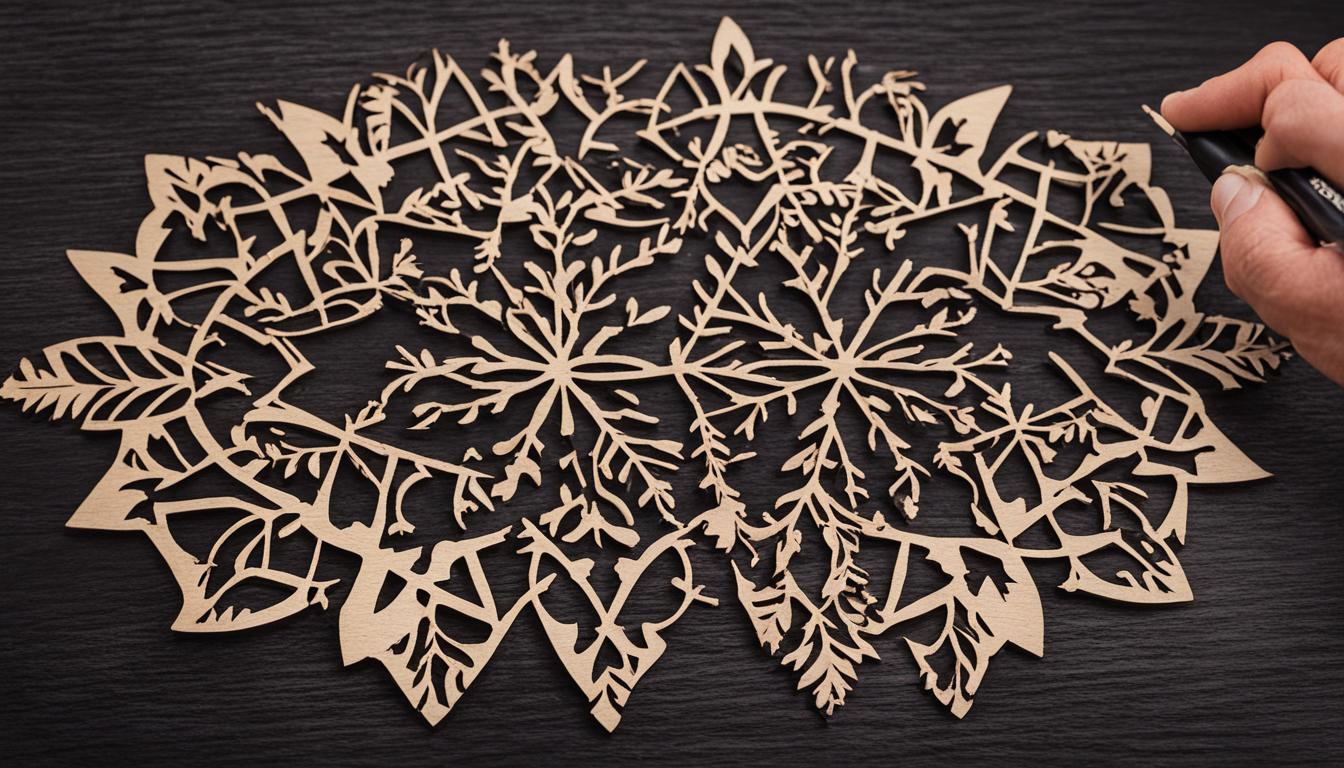
Dremel rotary tools are indispensable for hobbyists and professional fabricators alike, offering versatility across numerous DIY projects. These compact, high-speed multi-tools accept a wide array of attachments and accessories, enabling precise work in cutting, sanding, engraving, grinding, cleaning, and polishing applications.
Understanding the specific capabilities of each accessory and attachment is crucial for optimizing performance and achieving professional results. Proper selection ensures efficient material removal, superior surface finishes, and extended tool life. This guide delves into the technical aspects of Dremel tools, providing practical insights for various fabrication tasks.
Dremel Rotary Tool Accessories: Selection and Application
Selecting the correct Dremel accessory is paramount for any project, as each is designed for specific materials and tasks. Accessories are categorized by application, often indicated by a color-coding system, simplifying the selection process.
Common accessories include cutting wheels, sanding bands, grinding stones, and various carving bits. Cutting wheels, such as the fiberglass-reinforced 426 or the high-performance EZ506HP with cubic boron nitride abrasive, are ideal for slicing through metals, plastics, and thin wood. These can operate at maximum RPMs of 35,000 1/min.
Sanding accessories, identified by purple coding, encompass bands, discs, flap wheels, and abrasive brushes. Sanding bands, available in grits like 60, 120, and 240, are excellent for rough shaping, smoothing wood, and removing rust from metal surfaces. Flap wheels conform to contoured surfaces, while abrasive brushes are suited for detailed work in grooves.
Carving and engraving bits, typically blue-coded, range from high-speed cutters for soft materials like wood and plastic to diamond wheel points for intricate work on hardened steel, glass, and ceramics. Tungsten carbide cutters, such as the Dremel 9904, are designed for shaping and grinding hard materials including stainless steel and cast iron.
Precision Handheld Sanding and Grinding Techniques
| Accessory Type | Material Compatibility | Max RPM | Key Application |
|---|---|---|---|
| Fiberglass Reinforced Cut-Off Wheel (426) | Fiberglass, Aluminum Oxide Abrasive, Metal, Thin Wood, Plastics | 35,000 | Slicing, straight cuts, slots |
| High-Performance Cut-Off Wheel (EZ506HP) | Stainless Steel, Nails, Rebar, Metal Studs, Copper | 35,000 | Heavy-duty cutting |
| Sanding Band (60, 120, 240 Grit) | Wood, Fiberglass, Rubber, Metal | Varies by tool | Rough shaping, smoothing, rust removal |
| Tungsten Carbide Carving Bit (9904) | Hardened Steel, Stainless Steel, Cast Iron, Hardwoods | 30,000 | Shaping, smoothing, grinding |
| Diamond Wheel Point (7103) | Wood, Jade, Ceramic, Glass, Hardened Steel, Semi-precious Stones | 25,000 | Fine detail engraving, carving |
Effective sanding and grinding with a Dremel tool requires a controlled approach to achieve desired surface finishes. Sanding discs, distinct from cut-off wheels, are specifically for surface finishing, chamfering edges, and preparing surfaces for painting or polishing.
Maintaining straight lines is essential for professional results, necessitating a relaxed hand and smooth, consistent movements. Speed control is critical; higher RPMs facilitate aggressive material removal, while lower speeds are preferred for delicate work on softer materials.
When grinding, the objective is to smooth rough areas or sharp edges, aiming for a sleek finish. Conversely, sharpening focuses on creating a thin point or a sharp edge. Dremel grinding and sharpening tools are versatile, suitable for deburring metal, smoothing welded joints, or sharpening garden tools.
For optimal results, always begin with a coarser grit to level the material, then progressively move to finer grits to buff out scratches and achieve the desired smoothness. The Dremel A576 Sanding/Grinding Guide attachment can enhance precision and control, especially for maintaining consistent angles.
Achieving Detail in Carving and Polishing Operations
Detail carving with Dremel tools allows for intricate designs and material removal. Engraving bits, with diameters ranging from 0.8mm to 2.4mm, are ideal for light material removal and offer a clear line of sight due to their tapered shank. For harder materials like glass, diamond wheel points are indispensable.
Polishing with a Dremel transforms dull surfaces into reflective finishes. This process typically involves using felt or cotton polishing wheels in conjunction with specialized polishing compounds. Compounds are available in various grades, from coarse (red/black) for stripping oxidation to fine (pink/blue) for a mirror shine.
Applying polishing compound requires a low RPM, typically 5,000-10,000 RPM, lightly touching the spinning wheel to the compound bar for a few seconds. Excessive compound can clog the felt, reducing effectiveness. For metals like gold and silver, speeds under 15,000 RPM are recommended to prevent heat damage.
When polishing, use light, even pressure and move the tool in small, overlapping circles or straight motions. The compound and tool speed should do the work; pressing harder generates heat and can damage the surface. Reapply compound as the pad dries.
Leveraging Mini Drill Press Attachments for Accuracy
While Dremel rotary tools are primarily handheld, attachments like the mini drill press significantly enhance their precision for drilling tasks. These attachments convert the handheld tool into a stationary unit, providing greater stability and control for accurate hole placement.
A drill press attachment is particularly beneficial for projects requiring consistent hole depths and perpendicular drilling, minimizing bit wander and improving overall workpiece quality. This setup is invaluable for delicate materials or when working with small drill bits where freehand drilling might lead to breakage or inaccuracy.
Utilizing a mini drill press attachment also allows for repeatable operations, which is crucial in DIY craft fabrication where multiple identical components are often required. The controlled descent of the tool ensures clean entry and exit points, reducing material splintering or chipping.
Advanced DIY Craft Fabrication with Dremel Tools
Dremel tools are central to advanced DIY craft fabrication, enabling intricate work on diverse materials. From personalized gifts to detailed models, the versatility of accessories supports a broad spectrum of creative endeavors.
For engraving, soft materials like brass, copper, leather, plastics, and wood are excellent starting points for novices. Flat surfaces are recommended initially to allow users to focus on tool control without the added complexity of angles.
Power carving bits, such as the Dremel MAX 9953 and 9954, offer accelerated material removal for sculpting and shaping wood, plastics, and EVA foam. These bits are designed for robust performance, allowing for concave cuts, V-cuts, and detailed profiles.
Beyond carving, Dremel tools facilitate precise cutting of thin materials, intricate sanding for smooth finishes, and detailed polishing for a professional sheen. The ability to quickly interchange accessories and attachments makes these tools highly adaptable for complex, multi-stage craft projects.