
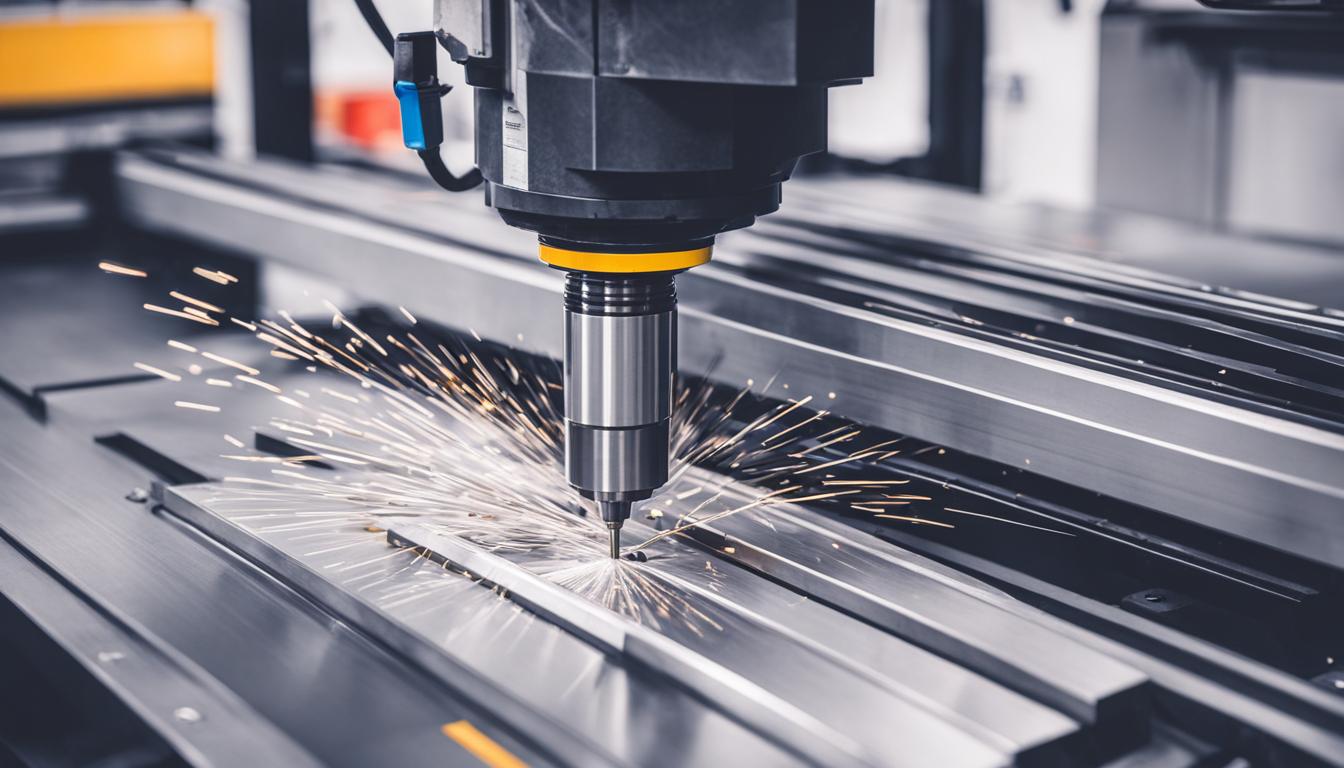
Investing in a Laguna CNC router represents a significant capital expenditure for any woodworking or fabrication business. The total cost extends beyond the base machine price, encompassing various configurations, essential add-ons, and operational considerations. Understanding these financial layers is crucial for accurate budgeting and strategic planning.
Smart Shop Router Price Tiers
Laguna’s SmartShop series offers a range of CNC routers designed for diverse production needs, from small workshops to growing manufacturing facilities. Entry-level models, such as the SmartShop M or SmartShop II, typically start around $15,000 to $30,000. These machines often feature smaller bed sizes, like 4×4 or 4×8 feet, and spindle powers ranging from 5 to 9 horsepower.
Mid-range SmartShop routers, including certain configurations of the SmartShop II or SmartShop III, generally fall within the $30,000 to $55,000 bracket. These models frequently incorporate larger work envelopes, more robust frame construction, and enhanced control systems. They are well-suited for businesses requiring higher throughput and greater versatility in material processing.
Advanced SmartShop models, such as the SmartShop IV or specialized SmartShop MX/MT series, can exceed $60,000, reaching up to $80,000 or more depending on specifications. These high-performance machines often boast larger bed sizes (e.g., 5×10 feet), more powerful spindles (12 HP and above), and advanced features like automatic tool changers as standard. Their design prioritizes precision and continuous heavy-duty operation.
Industrial CNC Router Investment
| Add-on Feature | Typical Cost Range | Technical Benefit | Application |
|---|---|---|---|
| Vacuum Table (Dry Vane Pump) | $5,000 – $10,000 | High vacuum pressure, secure hold | Dense materials, small parts |
| Vacuum Table (Regenerative Blower) | $3,000 – $8,000 | High airflow, quick material hold | Porous materials, large sheets |
| Automatic Tool Changer (8-12 tools) | $7,000 – $15,000 | Automated tool swaps, reduced cycle time | Complex jobs, multi-tool operations |
| Automatic Tool Changer (12+ tools) | $15,000 – $20,000+ | Extensive tool library, maximum automation | High-volume, diverse production |
Industrial-grade Laguna CNC routers are engineered for demanding, high-volume production environments, offering superior rigidity, speed, and longevity. Machines in this category, like the larger SmartShop IV or the SmartShop MV series, typically begin at $70,000 and can easily surpass $120,000. These systems are built with heavier steel frames and often feature premium components for sustained performance.
Larger format industrial routers, extending to 5×12 or even 7×12 foot tables, command higher prices due to increased material and engineering requirements. These machines are essential for processing oversized panels or multiple smaller parts simultaneously, maximizing efficiency in large-scale operations. Their robust construction ensures minimal vibration and consistent accuracy across the entire work area.
Specialized industrial applications, such as those requiring 5-axis machining capabilities or integrated material handling systems, further elevate the investment. These highly customized solutions can push total costs well into the six figures. Such configurations are tailored for complex geometries, intricate joinery, or automated production lines, offering unparalleled manufacturing flexibility.
Essential Add-Ons: Vacuum Tables and ATCs
A high-performance vacuum table is a critical component for securely holding workpieces during CNC routing, preventing movement and ensuring precise cuts. The cost of a vacuum table system can range from $3,000 to $15,000 or more, depending on the table size, zone configuration, and the type of vacuum pump. Regenerative blowers offer high airflow for porous materials, while dry vane pumps provide stronger vacuum for dense sheets.
Automatic Tool Changers (ATCs) significantly enhance productivity by eliminating manual tool changes, allowing for continuous operation across multiple machining operations. An ATC system can add between $5,000 and $20,000 to the router’s base price, depending on the number of tool stations (typically 8 to 12) and the mechanism’s sophistication. This investment drastically reduces idle time and operator intervention.
Consider the technical parameters and cost implications of these crucial add-ons:
Delivery, Installation, and Training Costs
The logistical expenses associated with acquiring a large CNC router are substantial and must be factored into the overall budget. Delivery fees, often referred to as freight, can range from $1,000 to $5,000 or more, depending on the machine’s size, weight, and the shipping distance. Specialized rigging services may be required to move the machine into its final position, adding another $500 to $3,000.
Professional installation and commissioning by certified technicians are highly recommended to ensure optimal performance and warranty validity. These services typically cost between $2,000 and $7,000, covering machine setup, calibration, and initial testing. Proper installation is critical for achieving the machine’s specified tolerances, which for woodworking CNCs often range from ±0.005 to ±0.010 inches.
Initial operator training is also a vital investment, ensuring staff can efficiently and safely operate the new equipment. Many manufacturers offer on-site training packages, which can add $1,000 to $3,000 to the total cost. This training covers machine operation, basic maintenance, and software navigation, empowering users to maximize the router’s capabilities from day one.
Calculating Business Return on Investment
A Laguna CNC router can significantly boost a business’s productivity and profitability, leading to a strong return on investment (ROI). The primary drivers of ROI include increased production capacity, reduced labor costs, and the ability to take on more complex or custom projects. Automated processes allow for consistent output, often exceeding manual production rates by several multiples.
Material optimization is another key factor in ROI. Advanced nesting software, often bundled with CNC routers, minimizes material waste by efficiently arranging parts on a sheet. This reduction in scrap material directly translates to cost savings, particularly for expensive substrates. Furthermore, the precision of CNC machining reduces errors and rework, further enhancing efficiency.
Businesses often report payback periods of 1 to 3 years for a well-utilized CNC router, depending on the initial investment and revenue generation. The ability to produce higher-quality products, offer faster turnaround times, and expand service offerings contributes to long-term profitability. Evaluating potential revenue streams against operational costs provides a clear picture of the machine’s financial viability.