
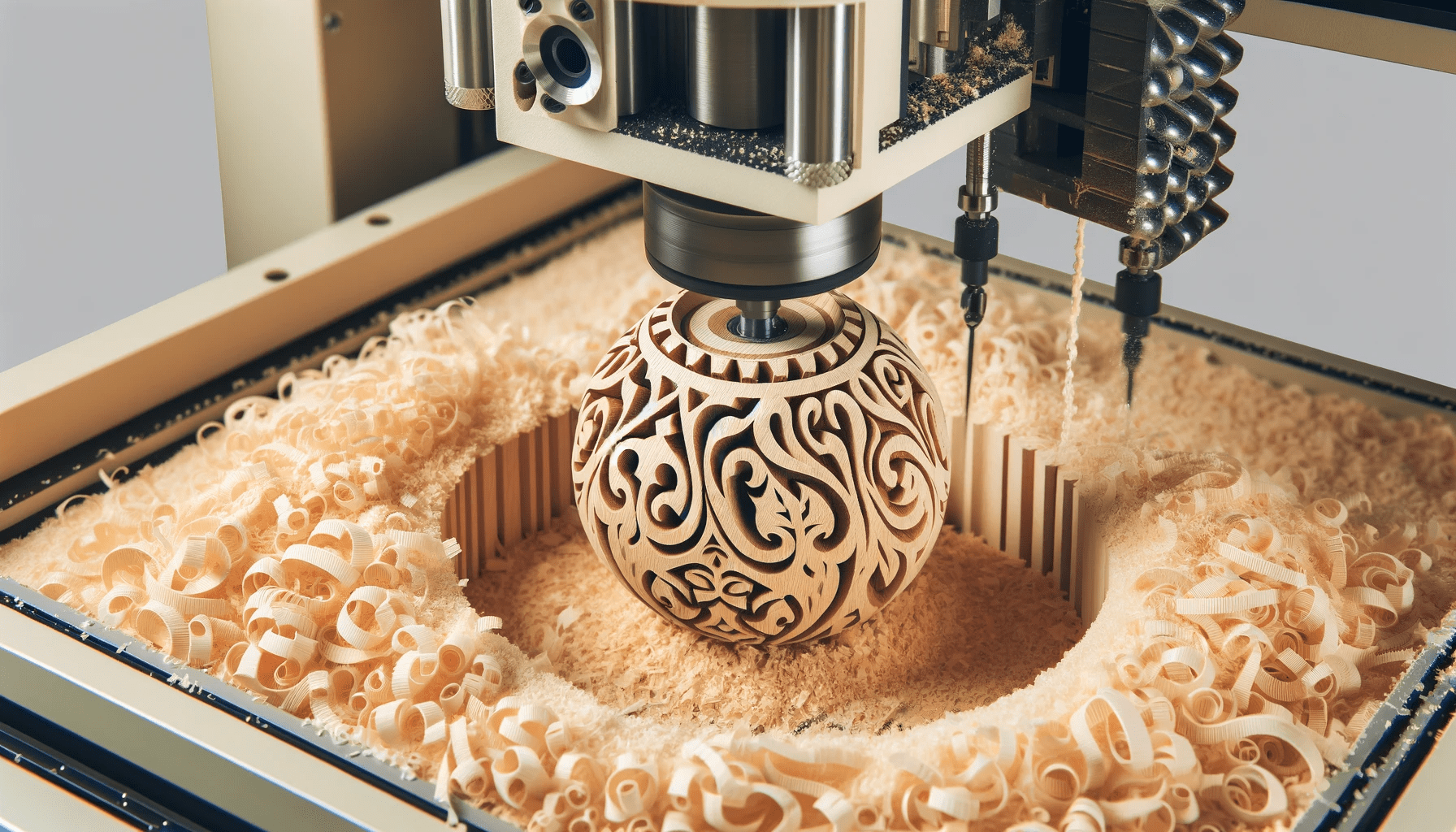
Computer Numerical Control (CNC) machining offers unparalleled precision and repeatability, making it an ideal method for creating personalized, high-quality gifts. This guide explores various projects, from custom wooden desk accessories to precision-machined metal tops, providing technical insights for successful fabrication.
Achieving optimal results in CNC projects necessitates a thorough understanding of material properties, appropriate tooling, and precise feeds and speeds. Each material presents unique challenges and opportunities, demanding specific approaches to ensure both aesthetic appeal and functional integrity.
Custom Wooden Desk Accessories
Crafting custom wooden desk accessories with a CNC router allows for intricate designs and personalized touches. Hardwoods like walnut, maple, or cherry are excellent choices due to their grain structure and durability, offering a premium feel to finished products. Selecting the right wood is crucial for both machinability and the desired aesthetic.
For detailed carving and engraving in hardwoods, solid carbide router bits are highly recommended. These bits maintain a sharp edge longer than high-speed steel (HSS) and are ideal for intricate work. Downcut spiral bits are particularly effective for achieving clean top surfaces and preventing tear-out, while V-groove bits excel at lettering and decorative line work.
Typical feeds and speeds for dense hardwoods like walnut involve spindle speeds of 6,000–8,000 RPM with feed rates between 60–100 IPM. Adjusting chip load, the amount of material removed per tooth per revolution, is critical to prevent burning and ensure a smooth finish. A chip load of 0.002–0.004 inches is generally suitable for walnut.
Standard tolerances for CNC wood routing typically range around ±0.2 mm for routed parts and ±0.3 mm for panel cutting. Post-machining, applying modern wood finishes such as oil-based sealers or clear lacquers enhances durability and brings out the natural beauty of the wood grain.
Engraved Aluminum Keychains
| Material | Recommended Tooling | Typical Spindle Speed (RPM) | Typical Feed Rate (IPM/mm/min) | Standard Tolerance |
|---|---|---|---|---|
| Hardwood (e.g., Walnut) | Solid Carbide Downcut/V-Groove Bits | 6,000–8,000 | 60–100 IPM | ±0.2 mm (routed) |
| Aluminum (6061) | 2-Flute Carbide End Mills (ZrN coated) | 8,000–12,000 | 40–80 IPM | ±0.025–0.05 mm |
| FR4 PCB | Carbide PCB Drills, 2-Flute End Mills, V-Bits | 10,000–20,000 (milling), 30,000–60,000 (drilling) | 100–300 mm/min (milling), 50–100 IPM (drilling) | Dependent on machine/setup |
| Cast Acrylic | Sharp Carbide V-Groove/Upcut Bits | Adjust to avoid melting | Adjust to avoid melting | ±0.1–0.2 mm |
| Brass | Solid Carbide End Mills (neutral/negative rake) | 12,000–14,000 | 70–90 IPM | ±0.025–0.05 mm |
Engraved aluminum keychains offer a sleek, durable, and highly customizable gift option. Aluminum alloys like 6061 are commonly used due to their excellent machinability, corrosion resistance, and ability to accept various finishes, including anodizing. This material is relatively soft, allowing for higher cutting speeds.
For engraving aluminum, two-flute or single-flute carbide end mills with highly polished flutes are preferred to prevent material from sticking to the tool. Specialized coatings like Zirconium Nitride (ZrN) can further reduce friction and prevent aluminum adhesion, improving tool life and cut quality. V-bits are also effective for fine detail engraving.
Recommended feeds and speeds for aluminum typically range from 8,000–12,000 RPM with feed rates of 40–80 IPM. Aluminum’s low hardness and high thermal conductivity allow for higher cutting speeds, around 200-400 meters per minute. A chip load of 0.001–0.003 inches is a good starting point for a 2-flute end mill.
Standard CNC machining tolerances for aluminum are generally ±0.025–0.05 mm. After engraving, keychains can be anodized to add color and further enhance surface hardness and corrosion resistance. This process creates a durable, aesthetically pleasing finish that resists wear.
DIY PCB Trinkets
Creating DIY PCB trinkets with a CNC machine allows for unique electronic gifts, such as custom LED badges or small sensor modules. FR4 (fiberglass reinforced epoxy laminate) is the most common material for PCB milling, though CEM-1 can be easier for beginners.
For milling PCB traces and cutting board outlines, carbide PCB drills and 2-flute carbide end mills are essential. V-bits are also frequently used for trace isolation, with angles like 30°, 45°, or 60° depending on the desired trace width and depth. Using an ER11 collet for 1/8′ shank tooling is recommended to minimize runout.
Optimal spindle speeds for FR4 typically range from 10,000–20,000 RPM for milling traces, with feed rates of 100–300 mm/min. For drilling, speeds between 30,000 and 60,000 RPM are common, with feed rates of 50–100 IPM for standard drill bits. A chip load of 0.010–0.025 mm per tooth is typically correct for FR4 and copper.
Securing the PCB blank firmly with clamps or adhesive tape is crucial to prevent shifting during milling. Standard tolerances for hobby PCB milling can be challenging, but careful parameter selection and machine calibration can achieve acceptable results for functional trinkets.
Personalized LED Acrylic Lights
Personalized LED acrylic lights create stunning visual effects, making them popular gifts. These projects typically involve engraving designs into clear acrylic sheets, which then illuminate when light is introduced from the edges. Cast acrylic is generally superior for CNC machining and engraving compared to extruded acrylic, as it has a higher melting point and produces a clearer, frosted white engraving.
For CNC engraving acrylic, sharp carbide tooling is crucial to prevent melting and achieve clean cuts. V-groove bits are excellent for creating detailed designs that will catch and refract light. Upcut spiral bits can also be used for general cutting and pocketing.
Feeds and speeds for acrylic engraving require careful management to avoid heat buildup, which can cause the material to melt and bind to the bit. A practical starting point for routing acrylic is a 1/8-3/16 inch tool, with spindle speeds and feed rates adjusted to produce chips rather than dust.
Standard tolerances for CNC machined acrylic parts are typically ±0.1 mm to ±0.2 mm, with precision setups achieving ±0.05 mm for critical features. After machining, polishing the edges is essential to restore clarity and enhance the light-guiding properties. Techniques include mechanical polishing with progressively finer grits, flame polishing for smooth edges, or chemical polishing for minor flaws. Integrating LED strips along the engraved edges allows the light to travel through the acrylic and illuminate the engraved design.
Precision Machined Metal Tops
Precision machined metal tops, such as spinning tops or decorative weights, demonstrate the capabilities of CNC milling. Materials like aluminum (e.g., 6061, 7075) and brass are excellent choices due to their machinability and attractive finishes. Brass, in particular, offers good lubricity and can be machined aggressively, often resulting in a nearly polished surface directly from the tool.
Solid carbide end mills are the standard for machining metals, with specialized coatings like TiAlN (Titanium Aluminum Nitride) offering superior performance in high-heat applications like cutting metals. For brass, a neutral to slightly negative rake angle on the tool is crucial to prevent the tool from ‘grabbing’ the material.
Feeds and speeds for aluminum typically involve 8,000–12,000 RPM with 40–80 IPM feed rates. For brass, higher RPMs (12,000–14,000) with feed rates of 70–90 IPM are often achievable, producing polished edges. Chip load management is vital to prevent tool wear and ensure a good surface finish.
Workholding for small metal parts requires secure, rigid setups to prevent movement and vibration. Vises, soft jaws, collets, and vacuum fixtures are common methods. Precision machining tolerances for small metal parts typically range from ±0.025–0.05 mm, with tighter tolerances down to ±0.001 inches achievable with specialized setups.