
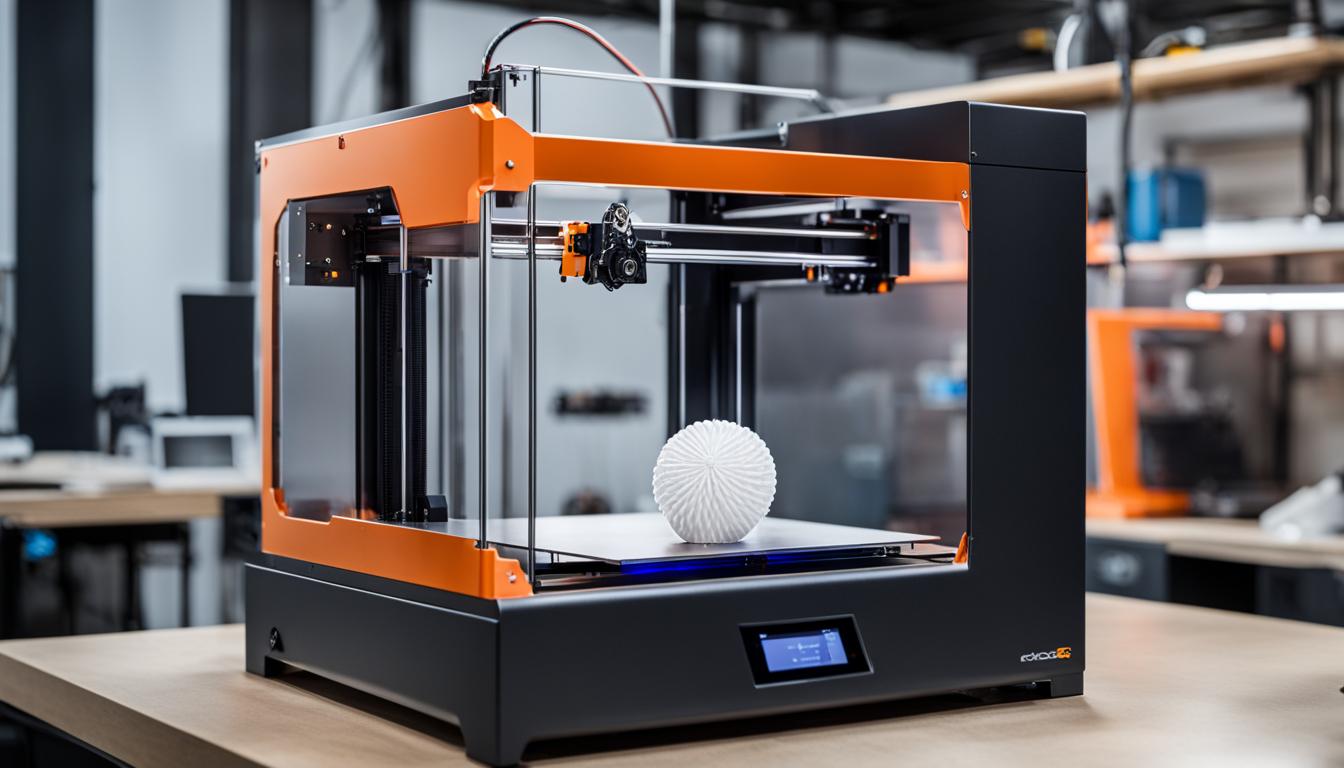
Shapeways operates as a prominent online additive manufacturing platform, enabling engineers and designers to transform digital designs into physical products. This service democratizes access to advanced 3D printing technologies, which were once exclusive to large industrial enterprises. The platform supports a wide array of applications, from rapid prototyping to the production of intricate end-use parts.
Users upload their 3D models, which Shapeways then processes for manufacturing. The company’s proprietary software handles critical steps like mesh repair, pricing calculations, and optimization for various materials and printing methods. This streamlined workflow ensures designs are printable and cost-effective, even for those without extensive CAD expertise.
This approach offers significant advantages, including reduced lead times and tooling costs compared to traditional manufacturing. Engineers can iterate designs quickly, testing multiple prototypes in days rather than weeks. The platform’s global distribution network further enhances efficiency, delivering custom parts expediently.
Online Additive Manufacturing Platform Overview
Shapeways has evolved into a dedicated B2B manufacturing platform, focusing on industrial users, product designers, and engineering teams. The company provides instant quoting and a simplified ordering process, removing traditional shopping cart complexities to accelerate part production. This shift emphasizes speed, clarity in cost estimates, and overall efficiency for business clients.
The platform supports a diverse range of additive manufacturing technologies, including powder-based methods like Selective Laser Sintering (SLS) and resin-based techniques such as Stereolithography (SLA). These advanced processes allow for the creation of complex geometries and high-performance parts across various industries, from aerospace to medical devices.
Shapeways’ services extend beyond just printing; they encompass a comprehensive ecosystem designed to facilitate the entire product development cycle. This includes expert support, quality checks, and post-processing capabilities, ensuring that the final products meet stringent engineering requirements. The ability to manage digital inventories and print on-demand also provides a robust defense against supply chain disruptions.
SLS and SLA Printing Options Explained
| Parameter | Selective Laser Sintering (SLS) | Stereolithography (SLA) |
|---|---|---|
| Typical General Tolerance | ±0.3 mm or ±0.3% (whichever is greater) | ±0.05 mm to ±0.15 mm (for parts under 100 mm) |
| Minimum Wall Thickness | 0.7 mm (recommended) | 0.8 mm (supported walls) |
| Typical Layer Thickness | 100 to 120 microns | 50 to 100 microns (average 100 microns) |
| Surface Finish | Slightly textured, grainy | Smooth and uniform, high definition |
| Support Structures | Not required (unsintered powder acts as support) | Required for overhanging features |
Selective Laser Sintering (SLS) is a powder-based additive manufacturing process where a CO2 laser selectively fuses thin layers of polymer powder. This method builds parts layer by layer at high temperatures, just below the material’s melting point. SLS is renowned for producing strong, durable parts with excellent mechanical properties and is particularly effective for complex geometries and interlocking components without the need for support structures.
Stereolithography (SLA), conversely, is a resin-based technology utilizing a UV laser to cure liquid photopolymer resin layer by layer. SLA is highly valued for its exceptional precision, fine detail resolution, and smooth surface finish. It is often chosen for applications where aesthetic quality, intricate features, and tight tolerances are paramount, such as master patterns for molds or highly detailed prototypes.
While both SLS and SLA are powerful additive manufacturing techniques, they cater to different engineering priorities. SLS typically offers greater design freedom for complex, functional parts and a wider range of materials, often at a larger scale. SLA excels in producing objects with superior surface quality and intricate details, making it ideal for visual prototypes and precision components.
Custom Metal 3D Printing Capabilities
Shapeways offers robust custom metal 3D printing services, leveraging technologies like Selective Laser Melting (SLM) and Lost Wax Casting. These processes enable the creation of extremely strong, complex, and lightweight metal parts. Materials such as AlSi10Mg aluminum are available, known for corrosion resistance and suitability for thin-walled components in aerospace, automotive, and medical sectors.
Lost Wax Casting, an ancient technique, is modernized by Shapeways through 3D printing wax patterns for plaster molds. This method is ideal for intricate metal designs, including jewelry and sculptures, allowing for complex shapes with built-in intricacies like interlocking parts. Materials like Tin Brass, Tin Bronze, and Copper are offered through this process.
Beyond additive processes, Shapeways also provides CNC machining for metals like stainless steel. Two austenitic grades, 304 and 316L, are available, offering excellent corrosion resistance and strength for functional prototypes and end-use components. These machined parts can achieve fine surface finishes, including powder coating.
On-Demand Prototype Delivery and Workflow
The on-demand prototype delivery process at Shapeways begins with a user uploading their 3D model. The platform provides instant pricing and performs automated and manual checks to ensure printability. This streamlined workflow is designed to accelerate product development and facilitate rapid iteration.
Shapeways emphasizes fast turnaround times for 3D printing on demand, aiming to deliver prototypes more efficiently than traditional manufacturing methods. While delivery dates are estimates, the company offers options like ‘rush production’ for certain materials, enabling parts to be ready for shipment in as little as two business days for urgent projects.
Rapid prototyping is crucial for product development, allowing engineers to test and refine designs quickly. Shapeways’ ability to produce custom parts in hours or days, rather than weeks or months, significantly shortens time-to-market. This agility supports continuous innovation and quick responses to evolving consumer demands.
Comprehensive Material Selection Catalog
Shapeways boasts an extensive material catalog, featuring over 55 materials and finishes suitable for diverse applications. This includes a wide range of plastics, resins, and metals, each with distinct mechanical and aesthetic properties. The selection is continuously updated to incorporate advanced materials from industry leaders.
Popular plastic options include Nylon 12 (PA12) and Nylon 11 (PA11), often processed via SLS or Multi Jet Fusion (MJF). These nylons are known for their durability, impact resistance, chemical resistance, and heat resistance, making them suitable for functional parts, jigs, and fixtures. ABS is another robust engineering plastic, valued for its durability, impact resistance, and heat tolerance, ideal for indoor functional prototypes.
For metal applications, Shapeways offers materials like AlSi10Mg aluminum for SLM, and various alloys for Lost Wax Casting such as Tin Brass, Tin Bronze, and Copper. These metals provide options for strong, lightweight, or aesthetically rich components. The diverse material portfolio allows engineers to select the optimal material based on specific functional requirements, environmental conditions, and desired aesthetics.